Subject
Our School offers the “I Am a Primary 1 Student” programme, which integrates books with picture and games to enhance Primary 1 students’interest in learning Chinese. In lower forms, the school implements the“Primary Chinese Tiered Support Teaching Model”, combining the“Joy of Reading, Joy of Writing”curriculum with the school-based curriculum. The school also incorporates the study of classical Chinese poetry and prose to improve students’ ability to read classical texts while fostering positive values and attitudes.
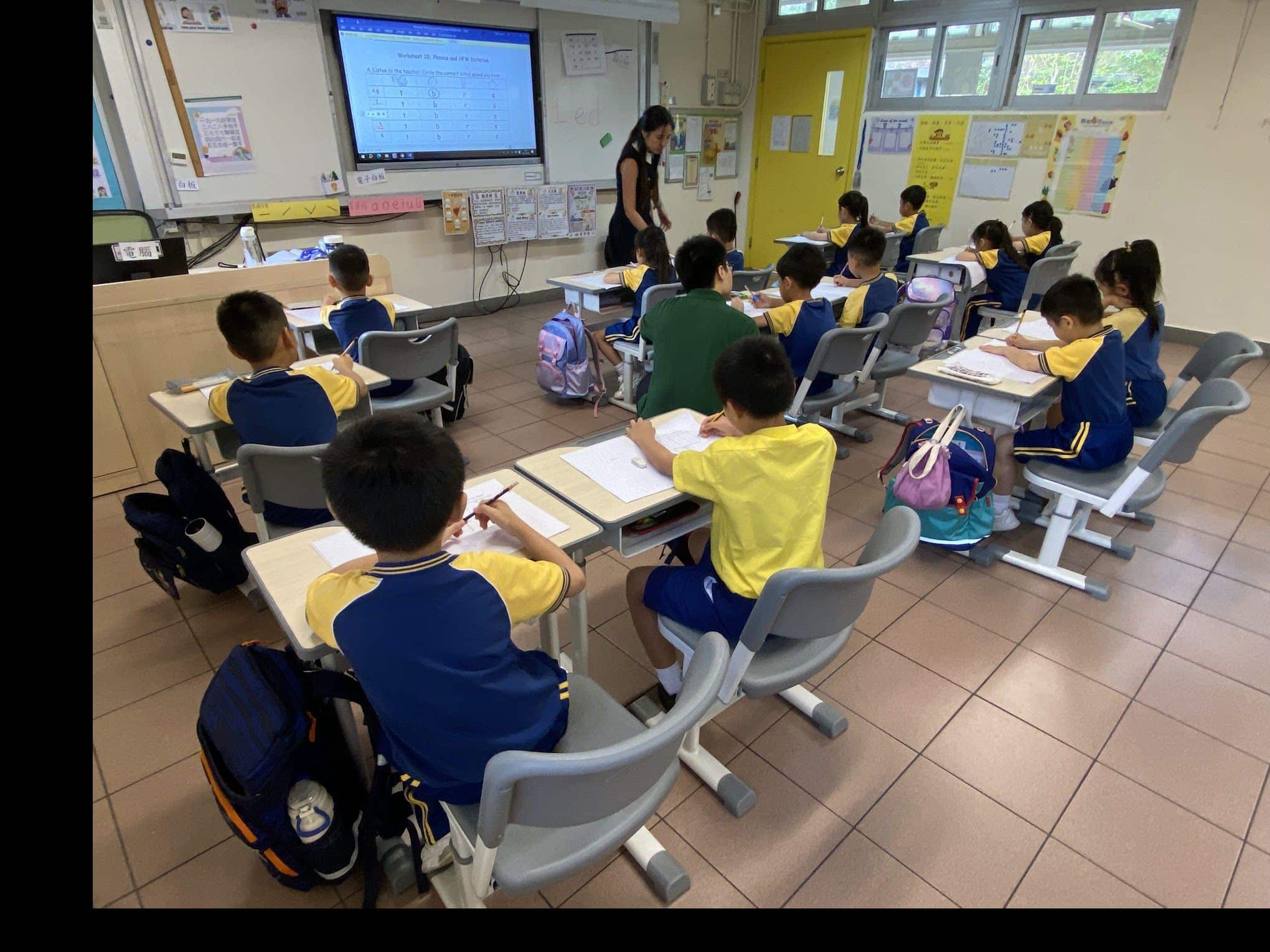
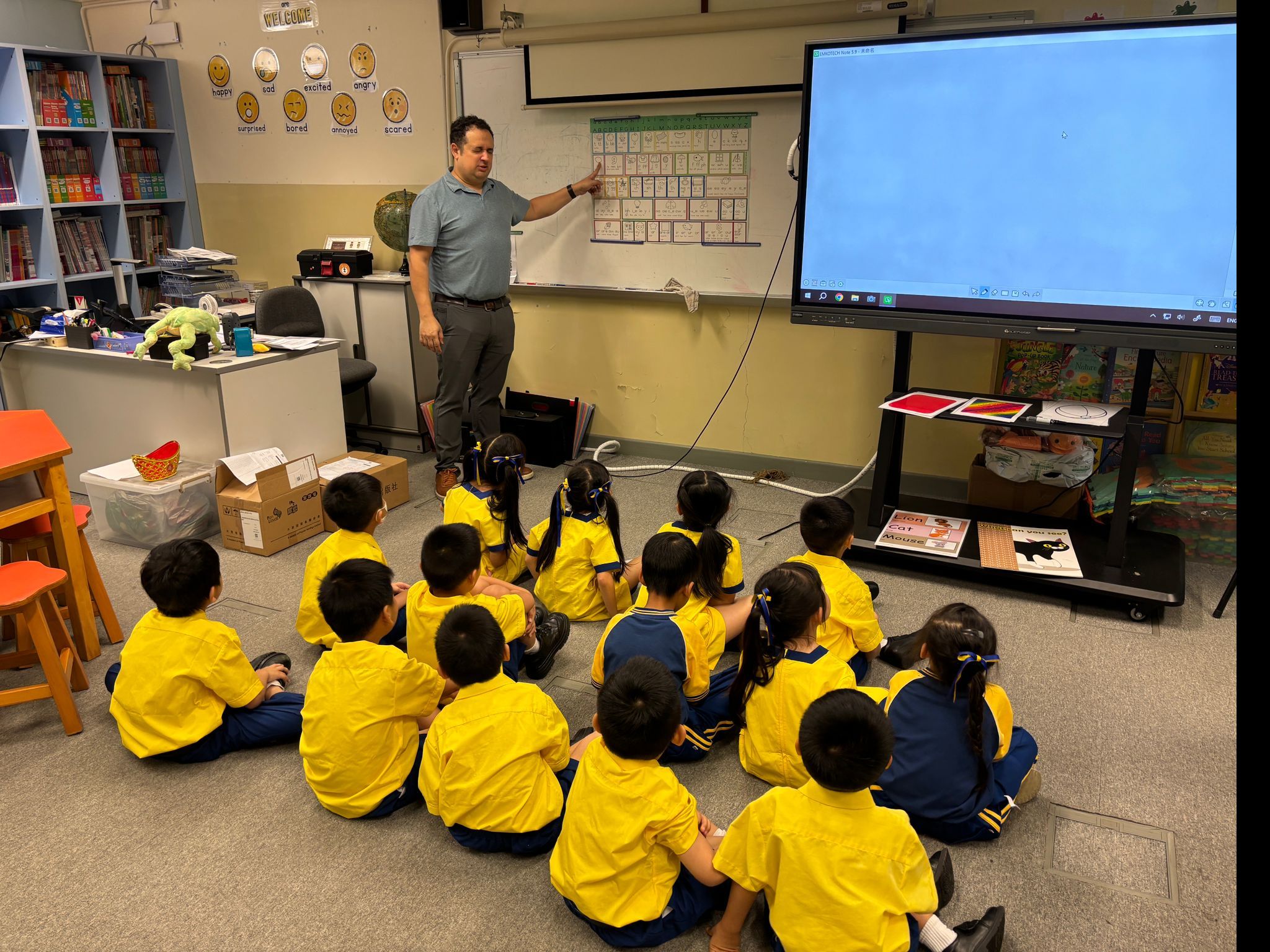
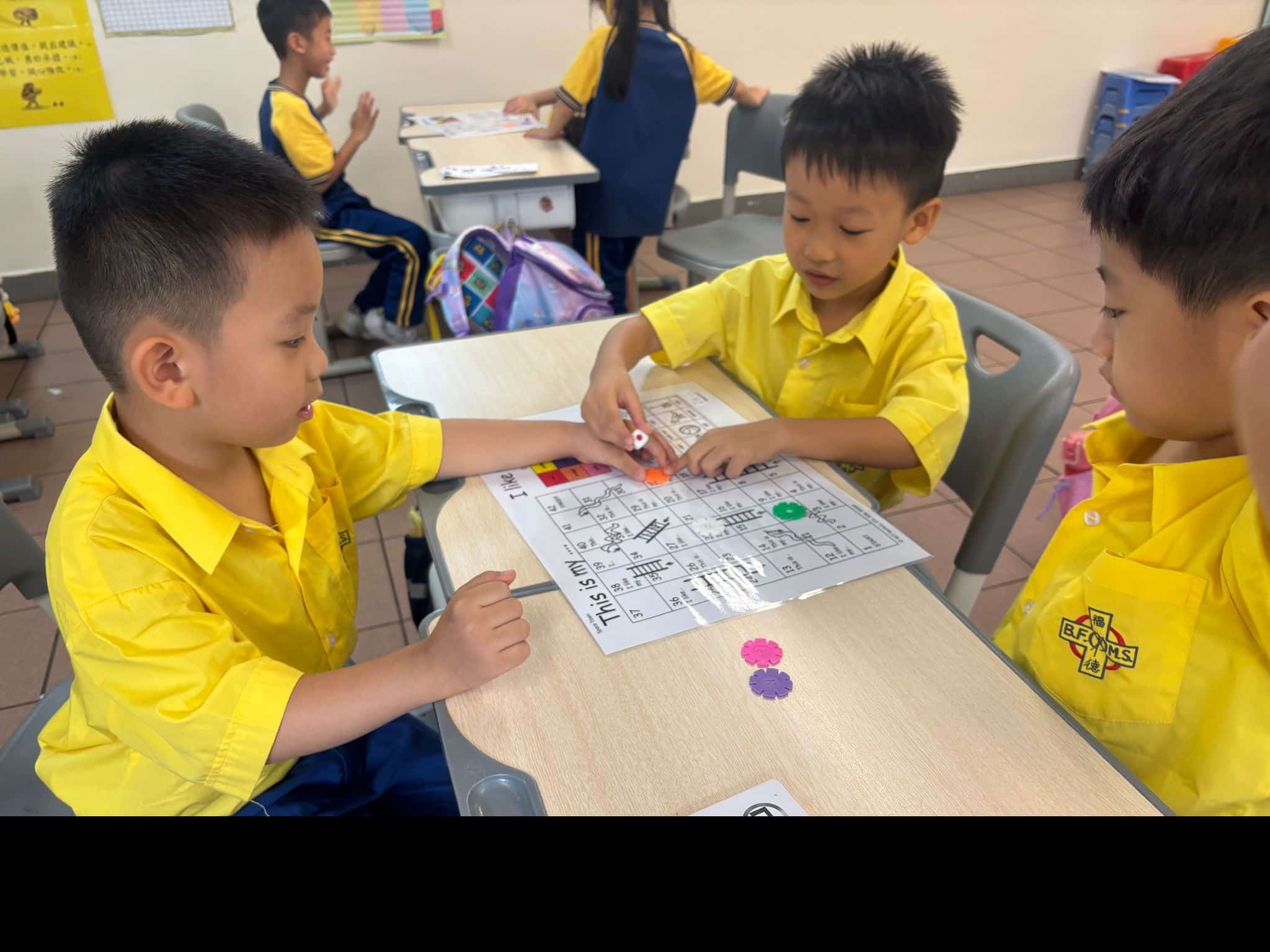
Since September this year, the Education Bureau’s Space Town English Literacy Programme has been implemented in Primary 1. The programme is taught collaboratively by our Native-speaking English Teacher (NET), English teacher, and classroom assistant. Through activities such as storytelling and phonics games, the programme aims to enhance students’ English reading and writing abilities, develop their reading skills, and cultivate an interest in reading.
Related Documents
English Dictation Reading
2025 - 2026 Term 1 English Dictation Recordings
Primary 1
Primary 2
Primary 4
Primary 5
Primary 6
Our School makes use of an e-learning platform to cater for individual student needs and promote personalised learning. School-based digital materials help students consolidate their knowledge and receive instant feedback. To stimulate interest in learning, fun and challenging questions is regularly updated, to encourage students to apply classroom knowledge to real-life situations and foster a strong mathematical atmosphere.
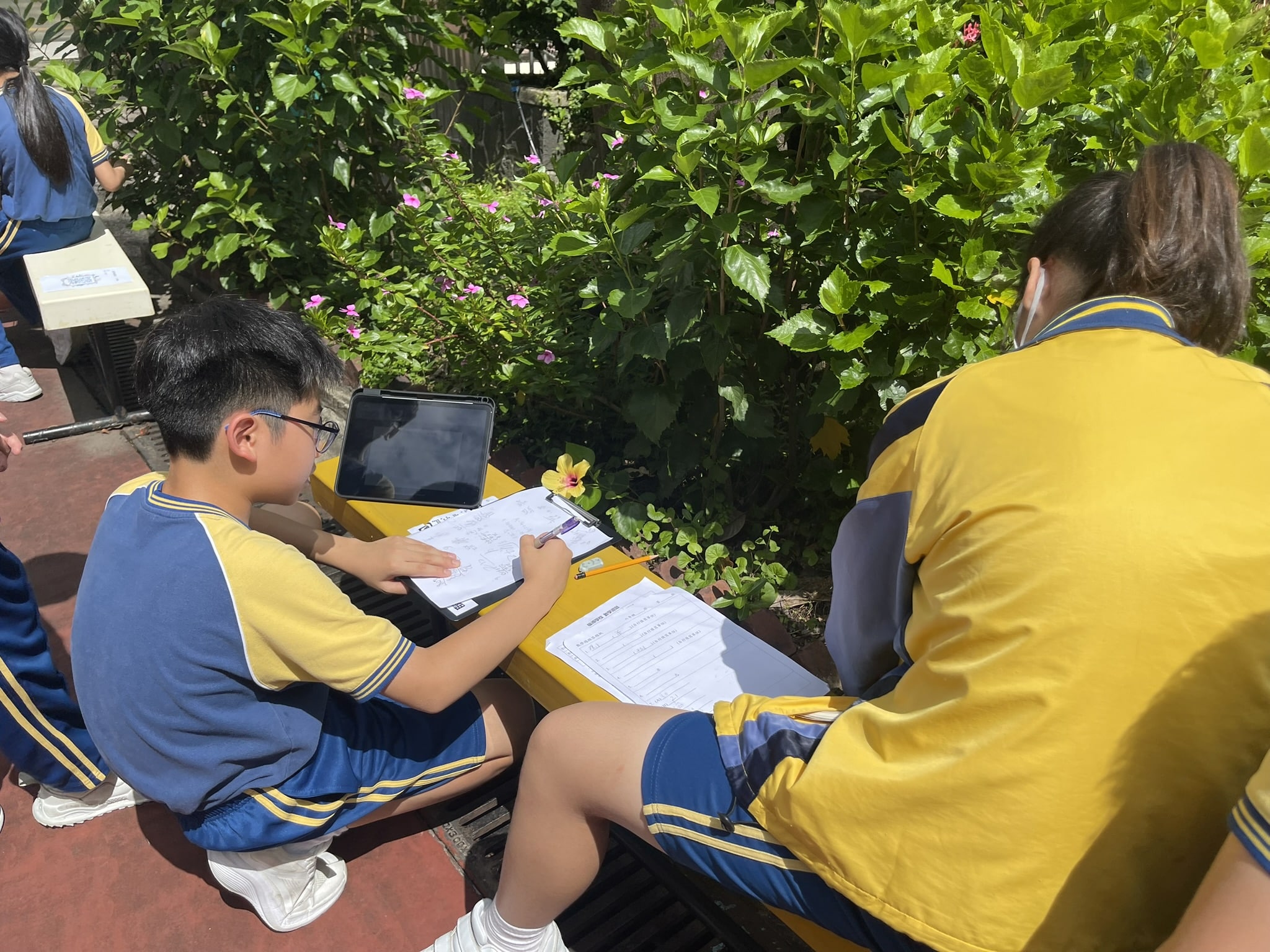
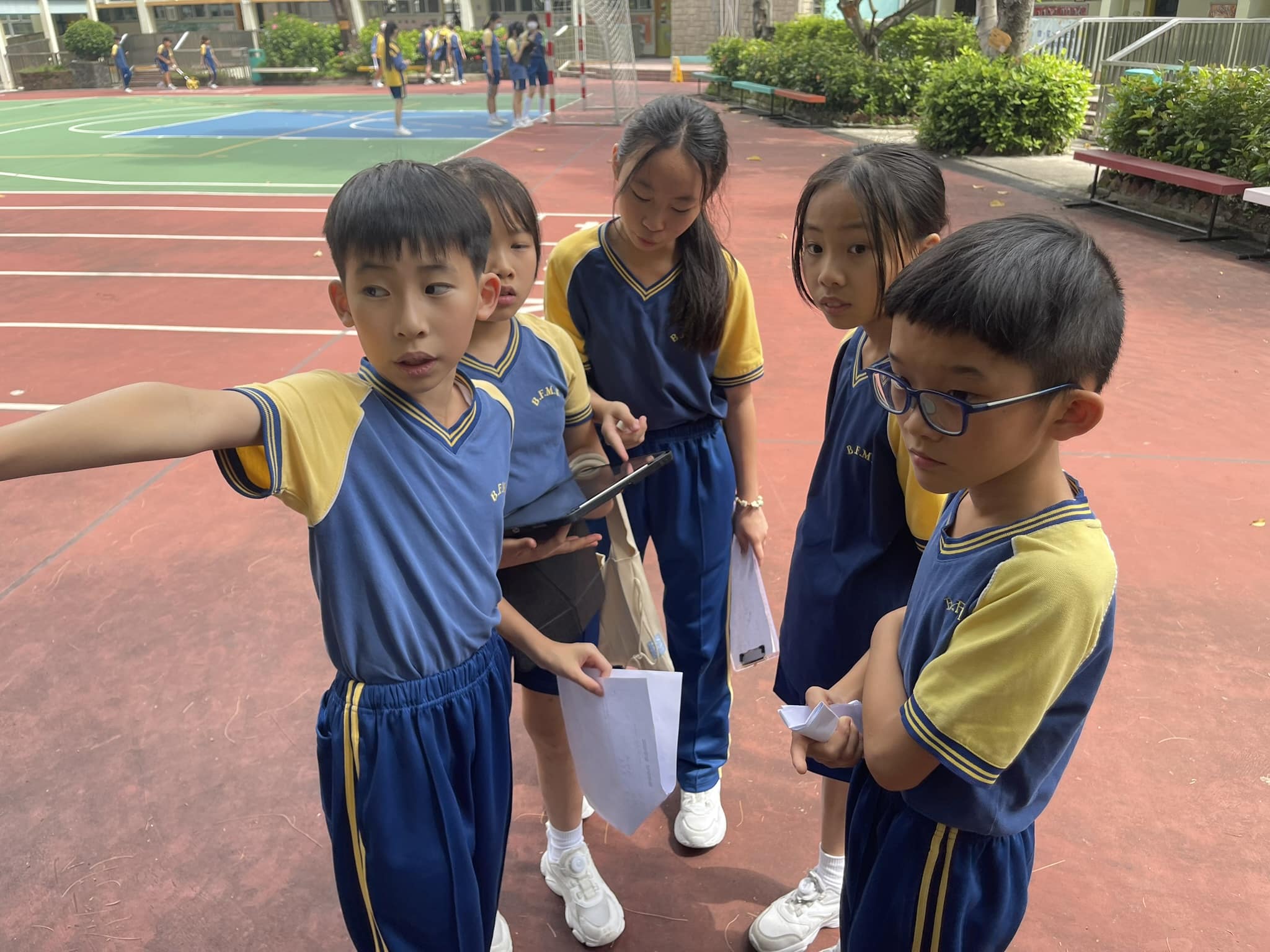
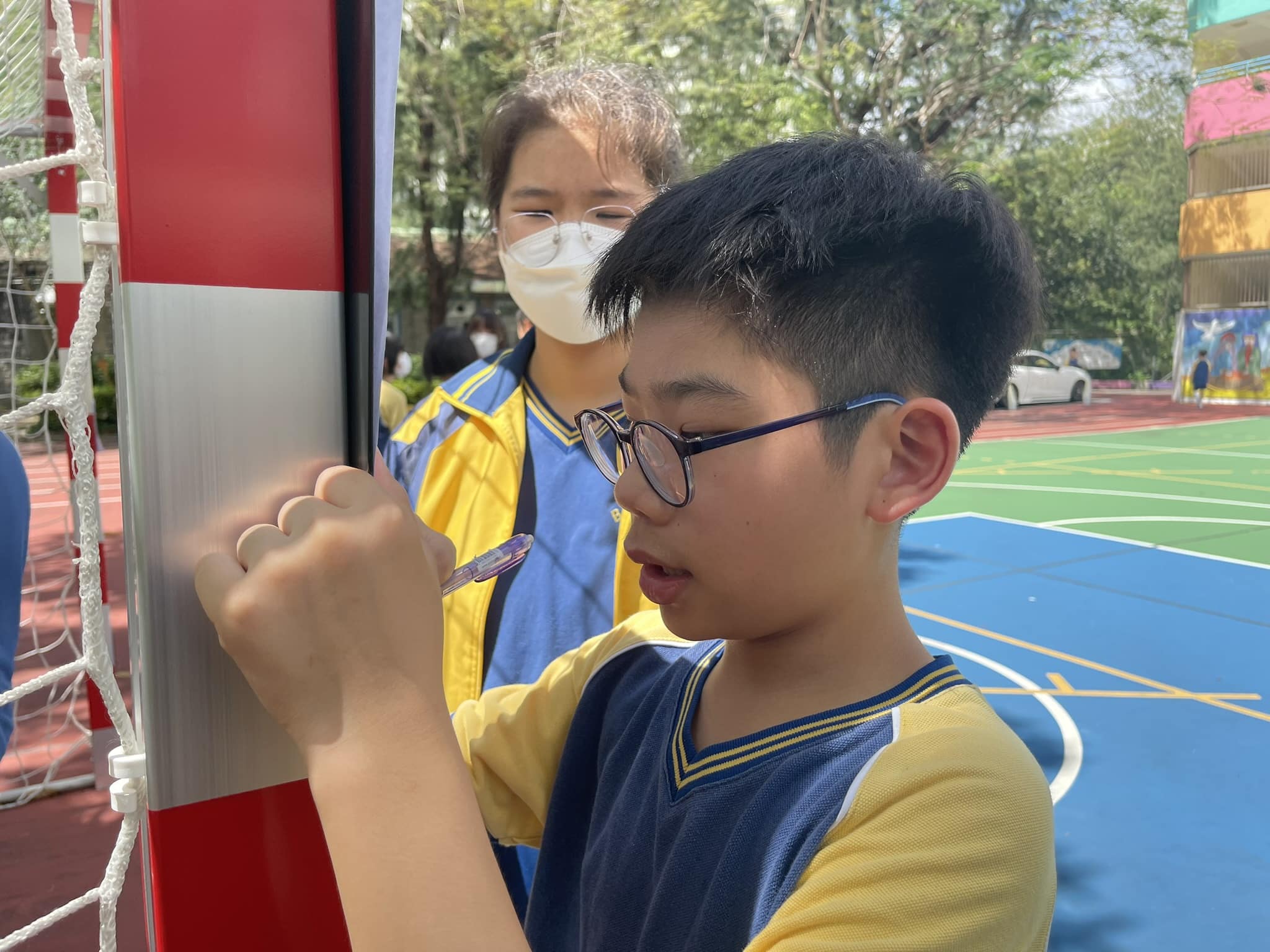
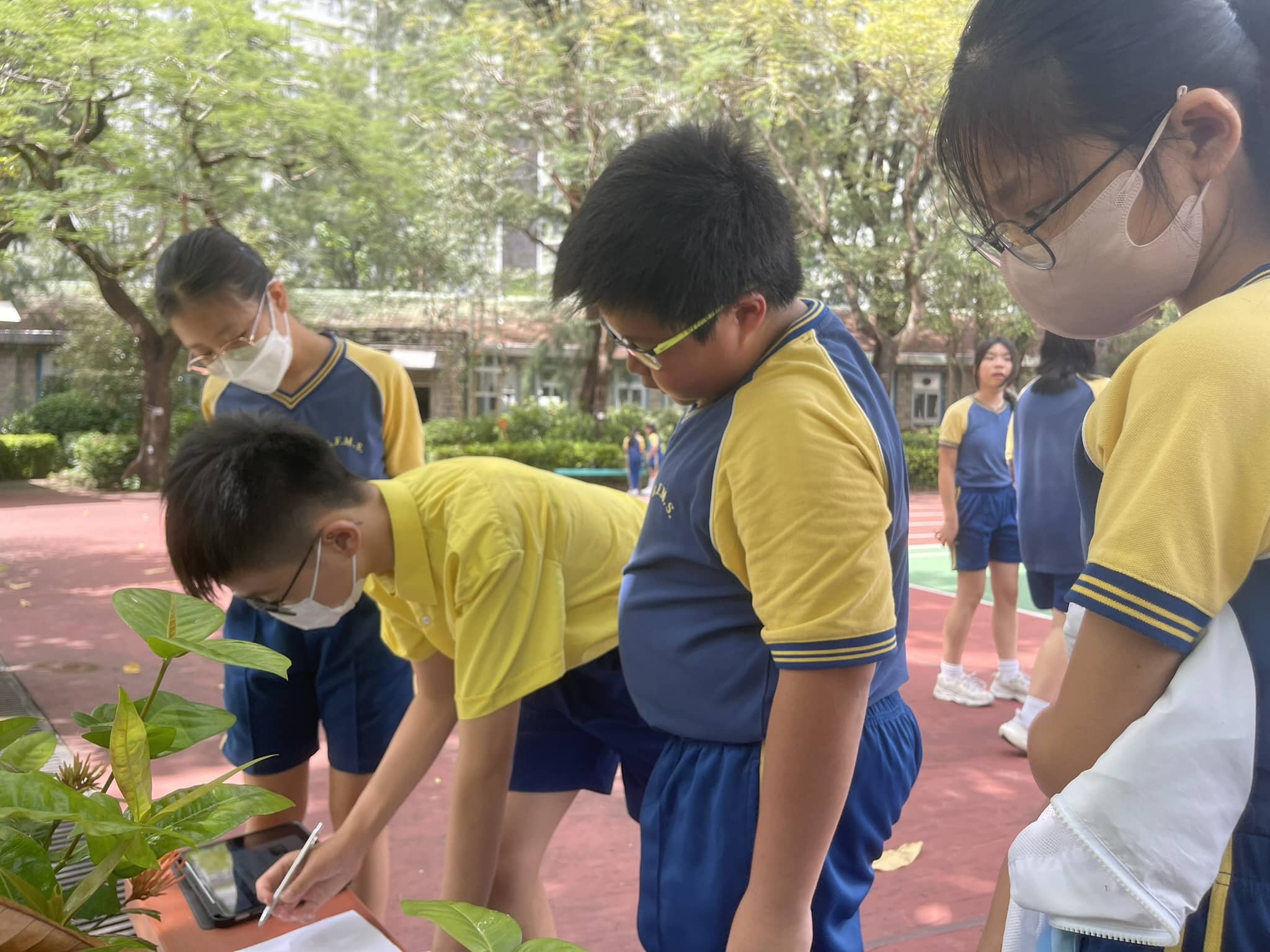
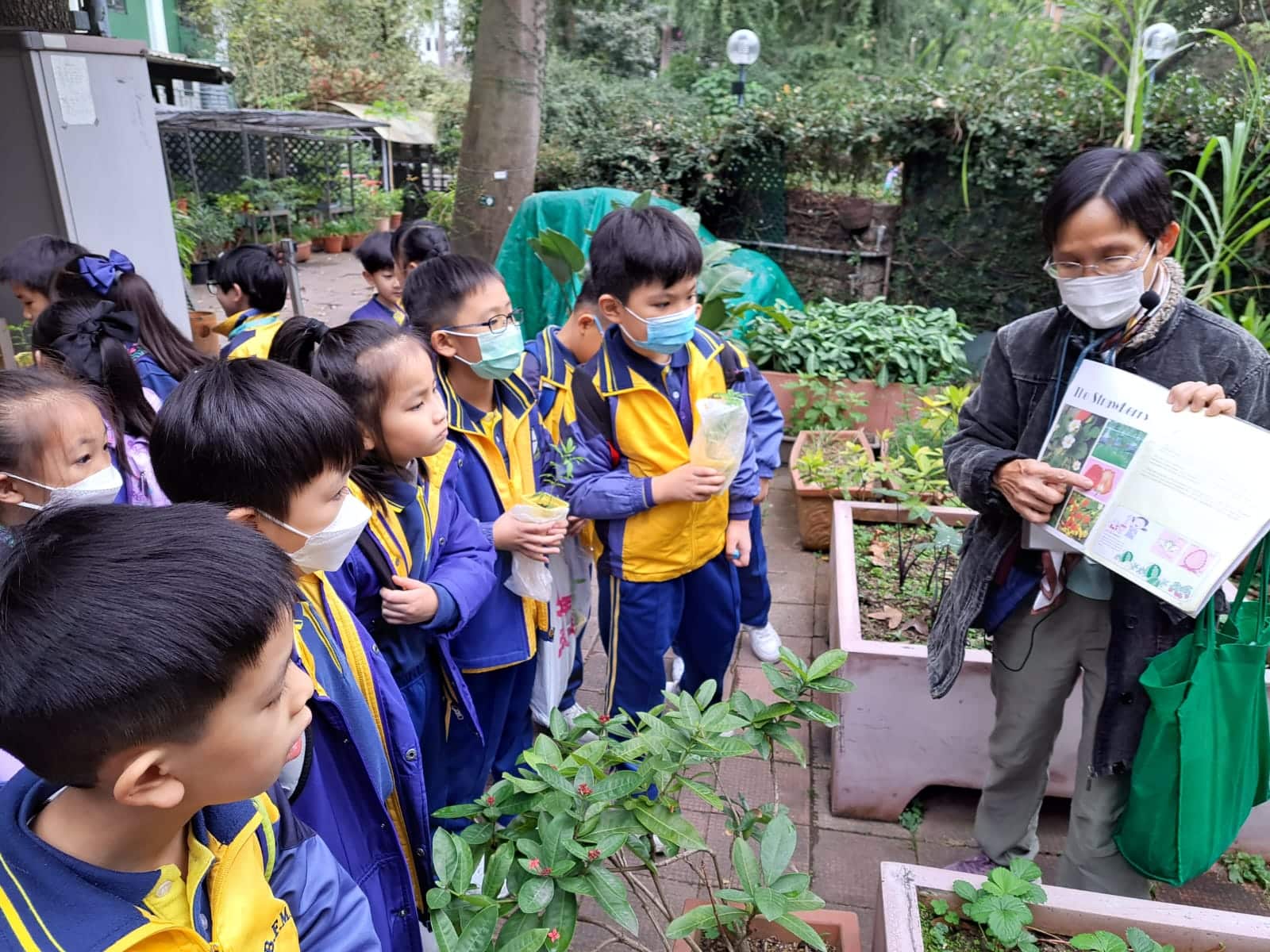
It promotes diverse learning experiences, builds a solid foundation for students in the learning areas of science and technology, as well as personal, social and humanities.
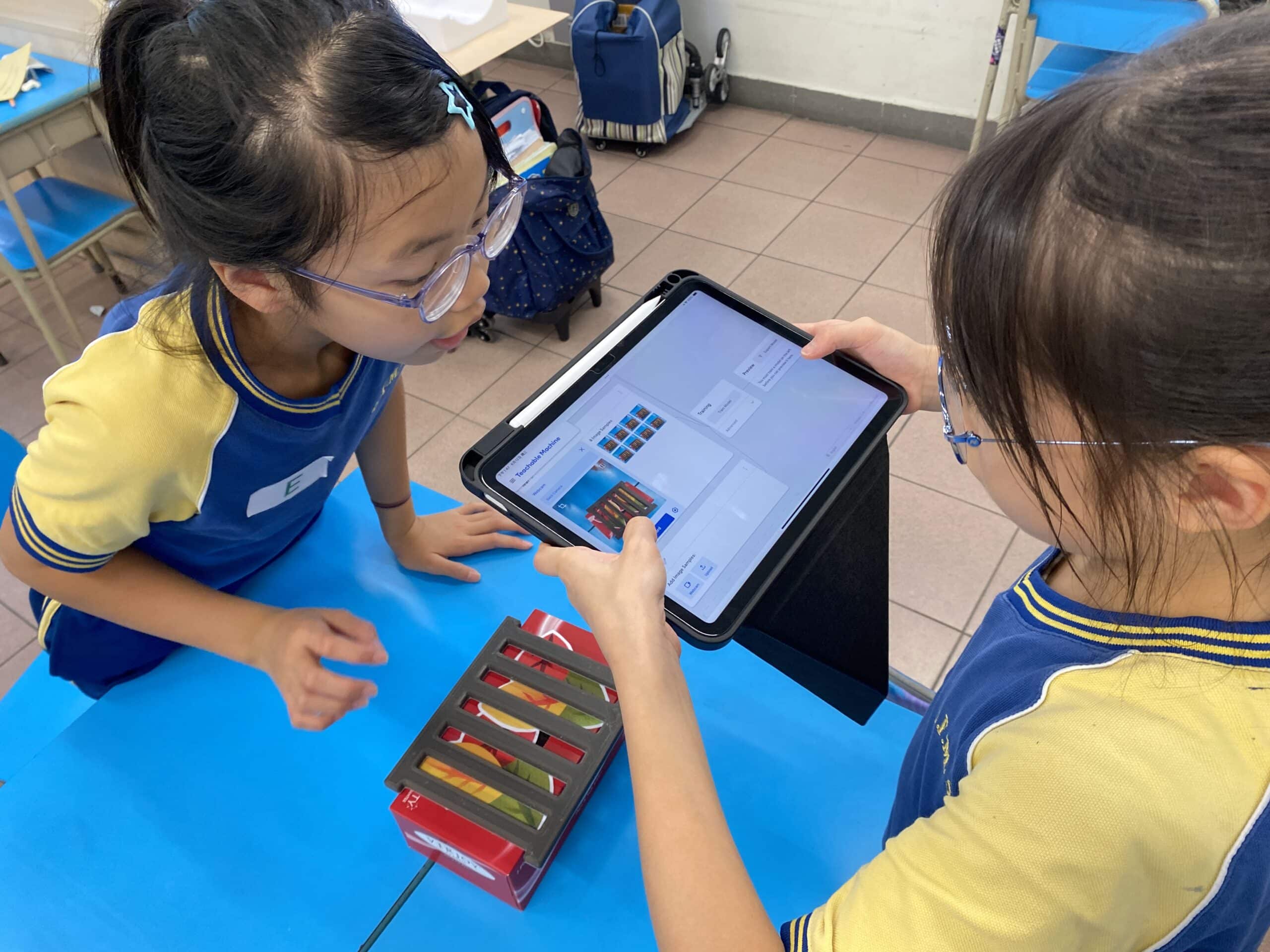
In the curriculum, the school has established STEAM lessons, allowing students to explore and learn through a“hands-on”approach. Individual project-based learning is also implemented to develop students’generic skills.
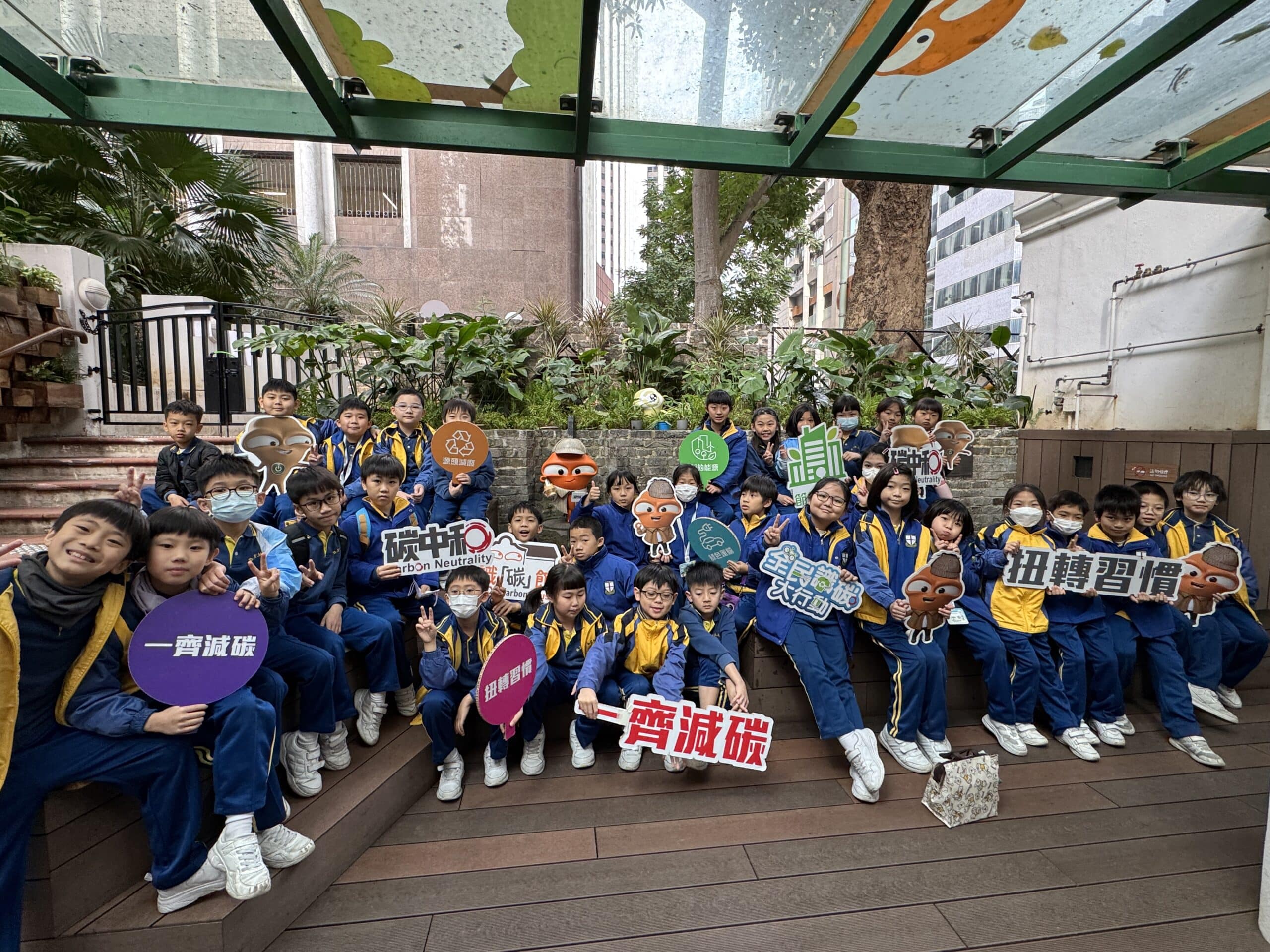
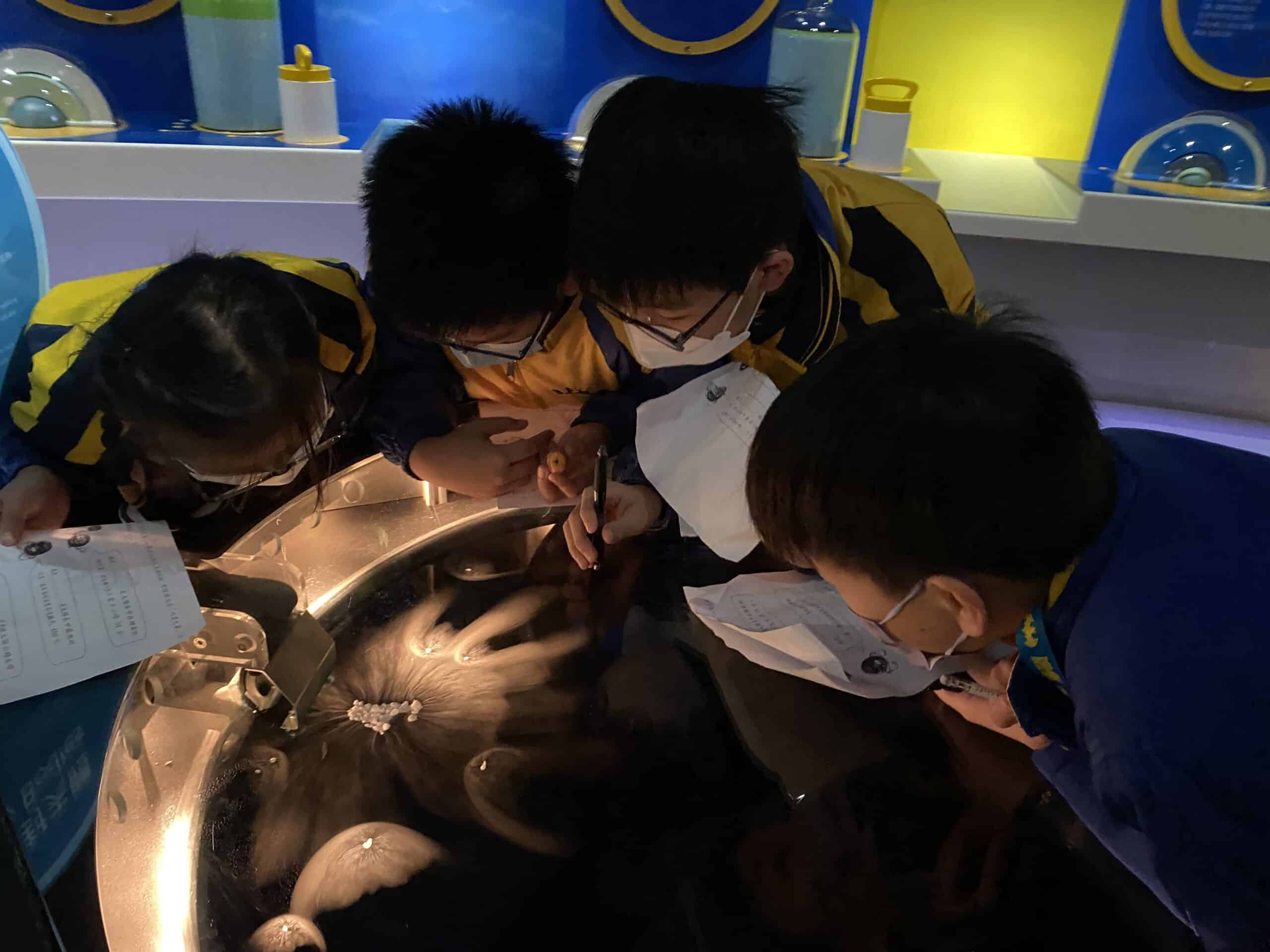


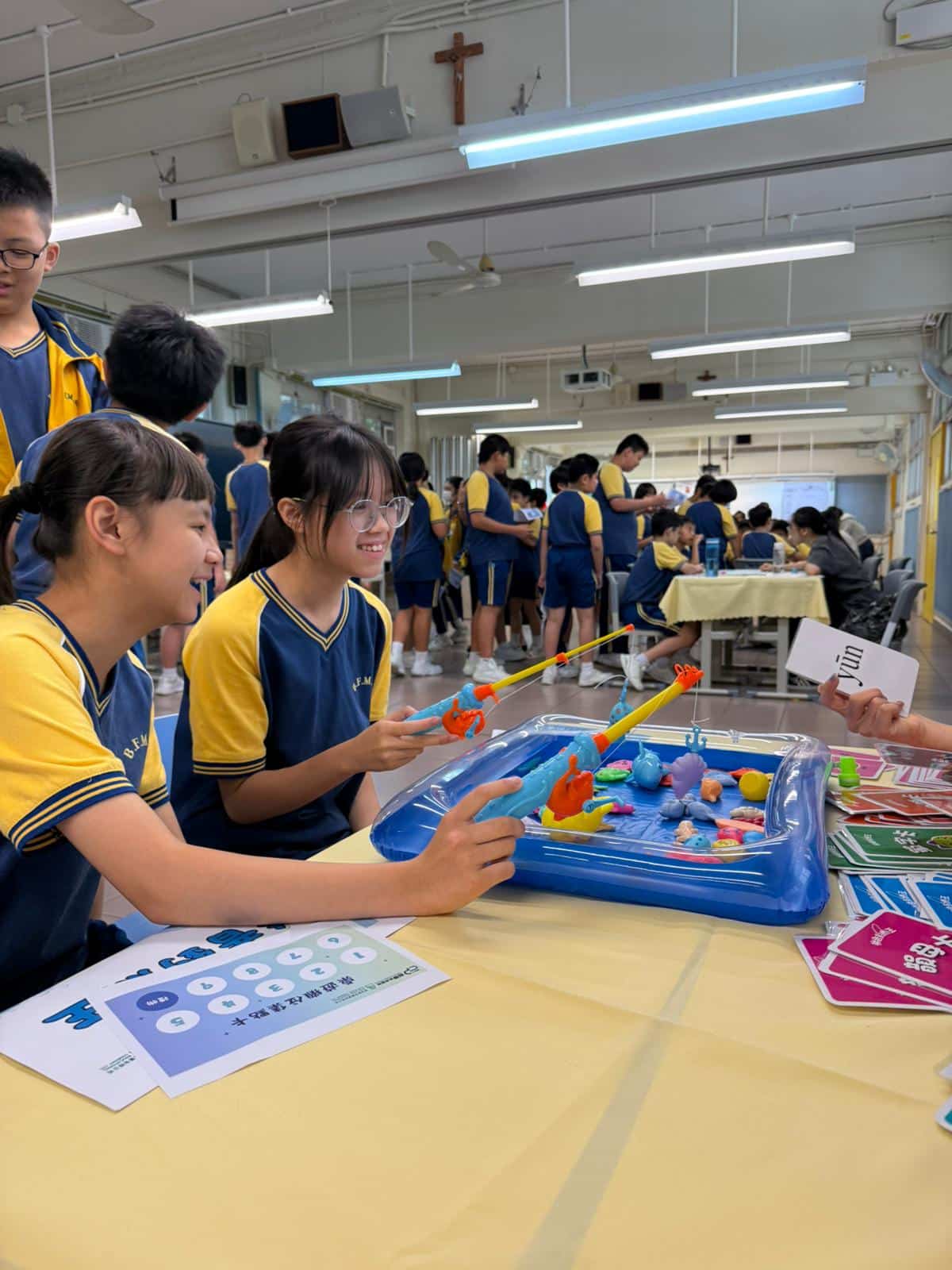
This subject places great importance on developing students’listening, speaking, and recitation skills, while cultivating self-learning abilities, enhancing language knowledge, and deepening understanding of Chinese culture.
After completing the Hanyu Pinyin course in Primary 1 and Primary 2, students are able to read independently using Pinyin. From Primary 3 to Primary 6, the focus shifts to strengthening listening, speaking, recitation, and transliteration skills, as well as improving the ability to express everyday Putonghua phrases.
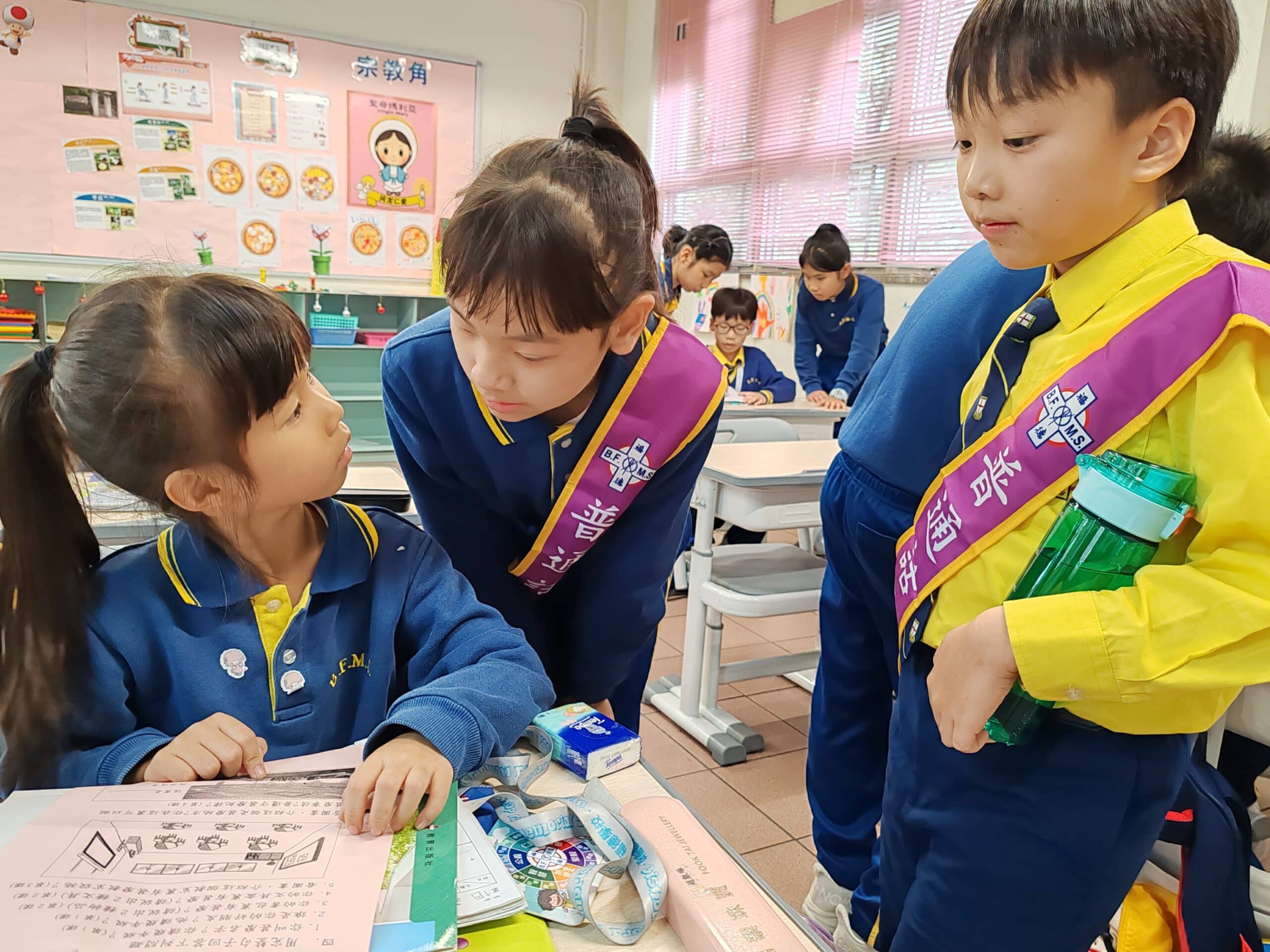
The school designates a“Putonghua Day”, establishes a team of Putonghua Ambassadors, organizes a wide variety of activities, and offers diverse after-school Putonghua interest classes, providing students with more opportunities to learn and use Putonghua.
Activities
- Putonghua Day
- Putonghua Ambassadors – Lunchtime Reading Companions
- Putonghua Little Theatre
- Putonghua Secondary School Interview Class (Primary 6)
- Inter-school Speech Festival competitions
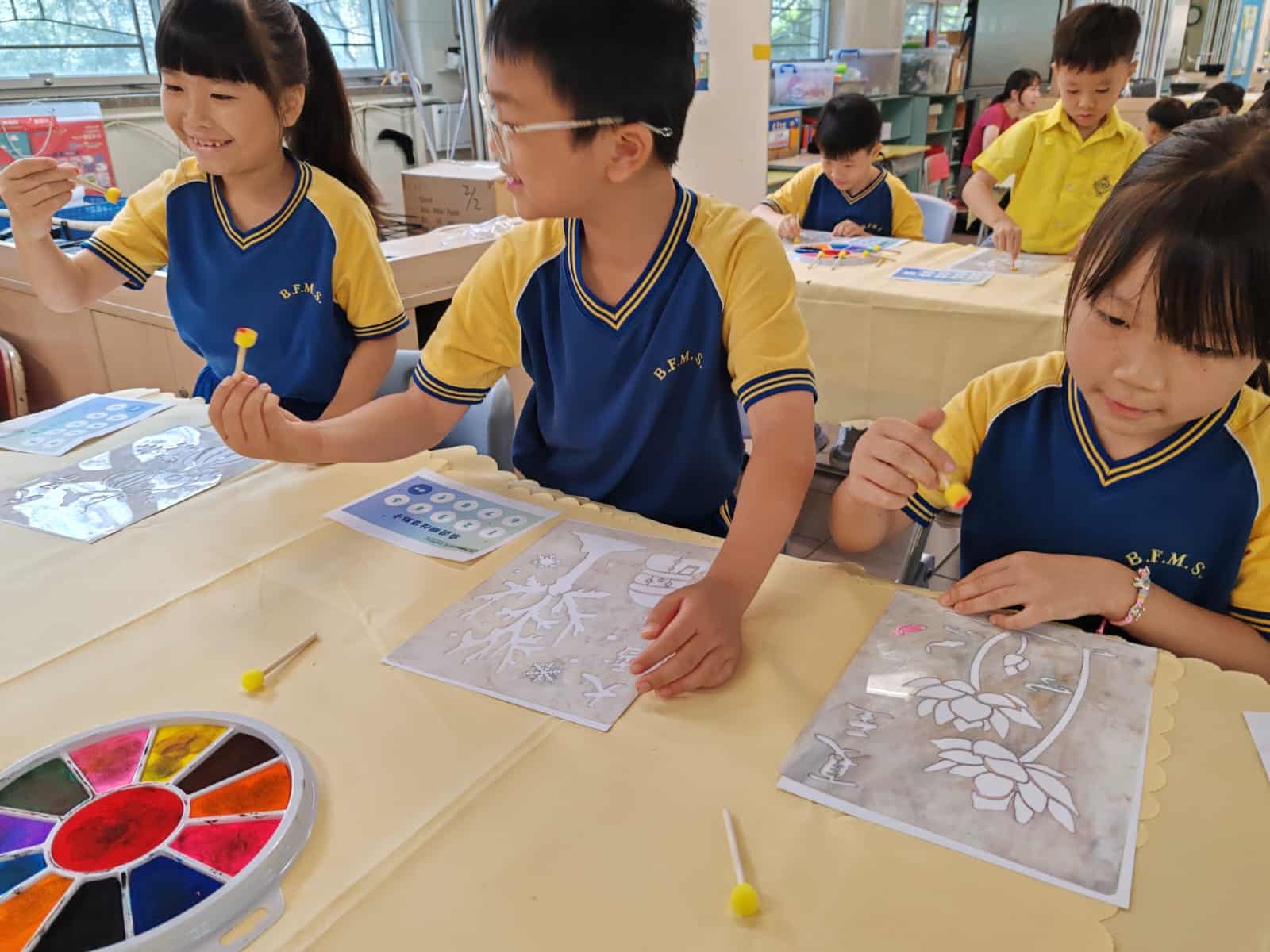
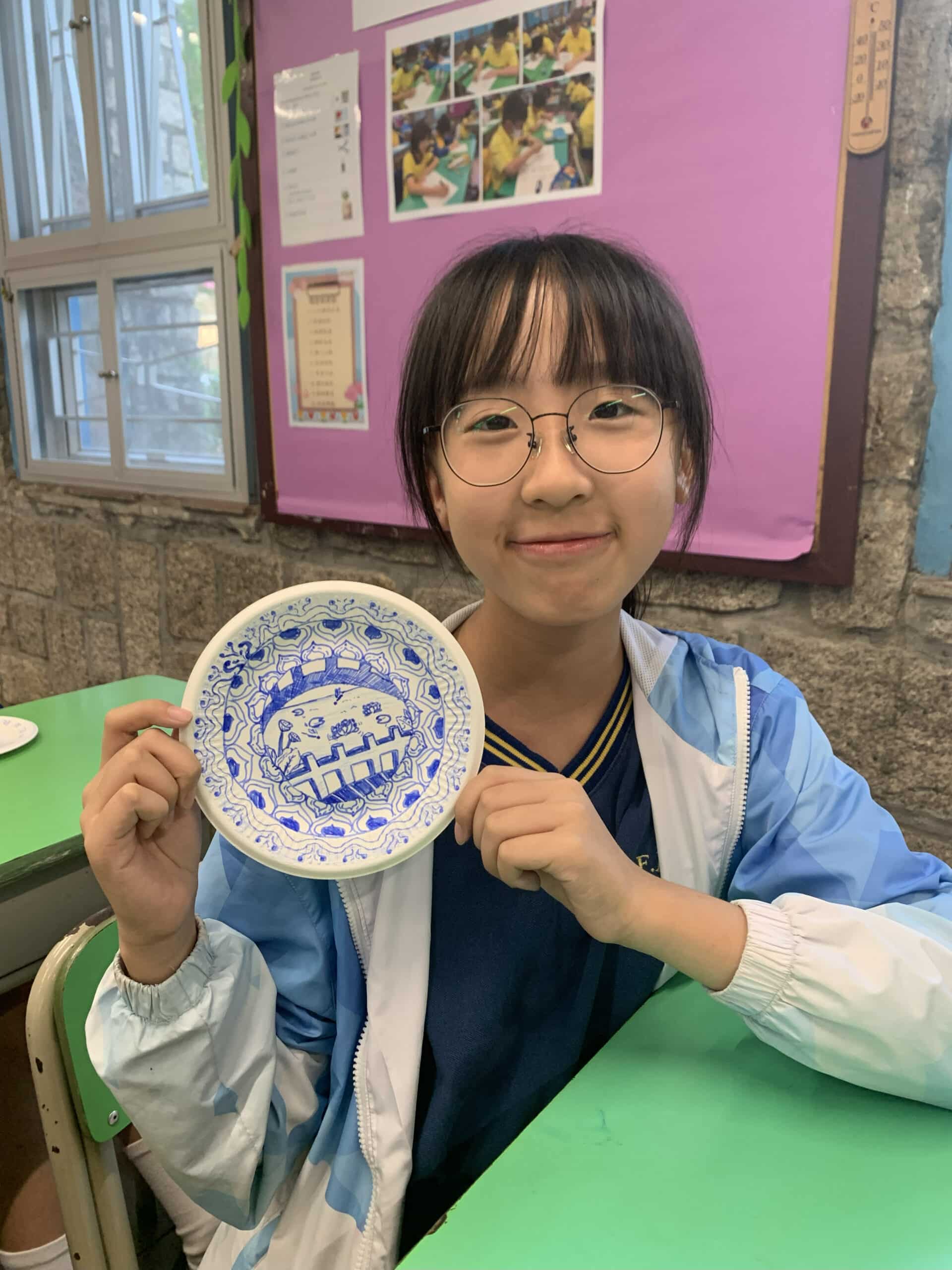
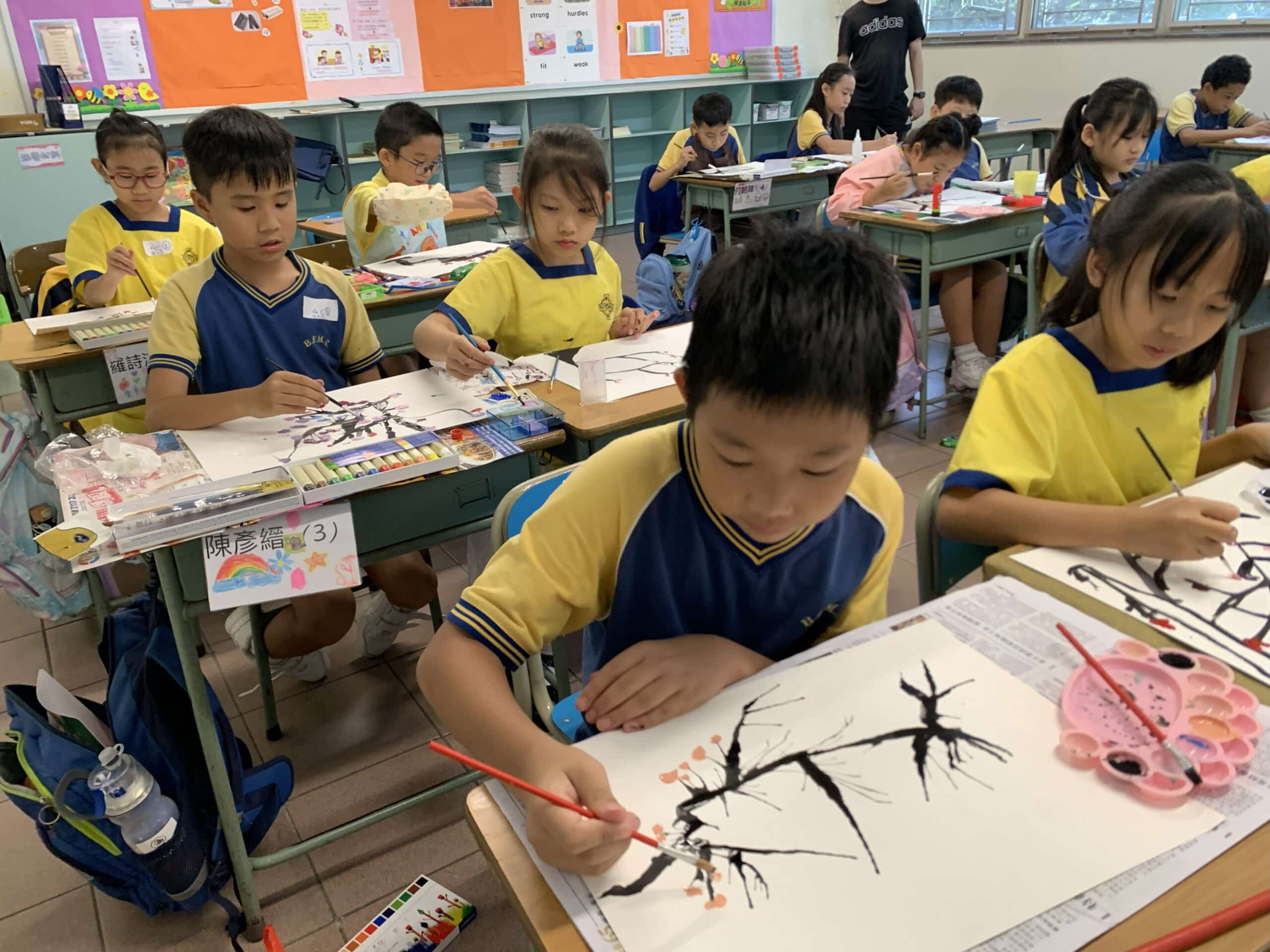
Based on the Arts Education Key Learning Area – Visual Arts Curriculum Guide (Primary 1 – Secondary 6) (2024 edition) published by the Curriculum Development Council’s Arts Education Committee, and taking into account the current situation of our School, the vision for the Visual Arts curriculum at our School is as follows:
- To cultivate students’lifelong interest in visual arts and promote their physical and mental well-being.
- To nurture correct values and a sense of national identity through visual arts.
- To develop students’ability to connect and integrate visual arts with different fields of knowledge.
- To broaden the space for artistic expression and foster creativity, innovative abilities, and attitudes towards technology.
- To develop an international perspective in students through the learning of visual arts.




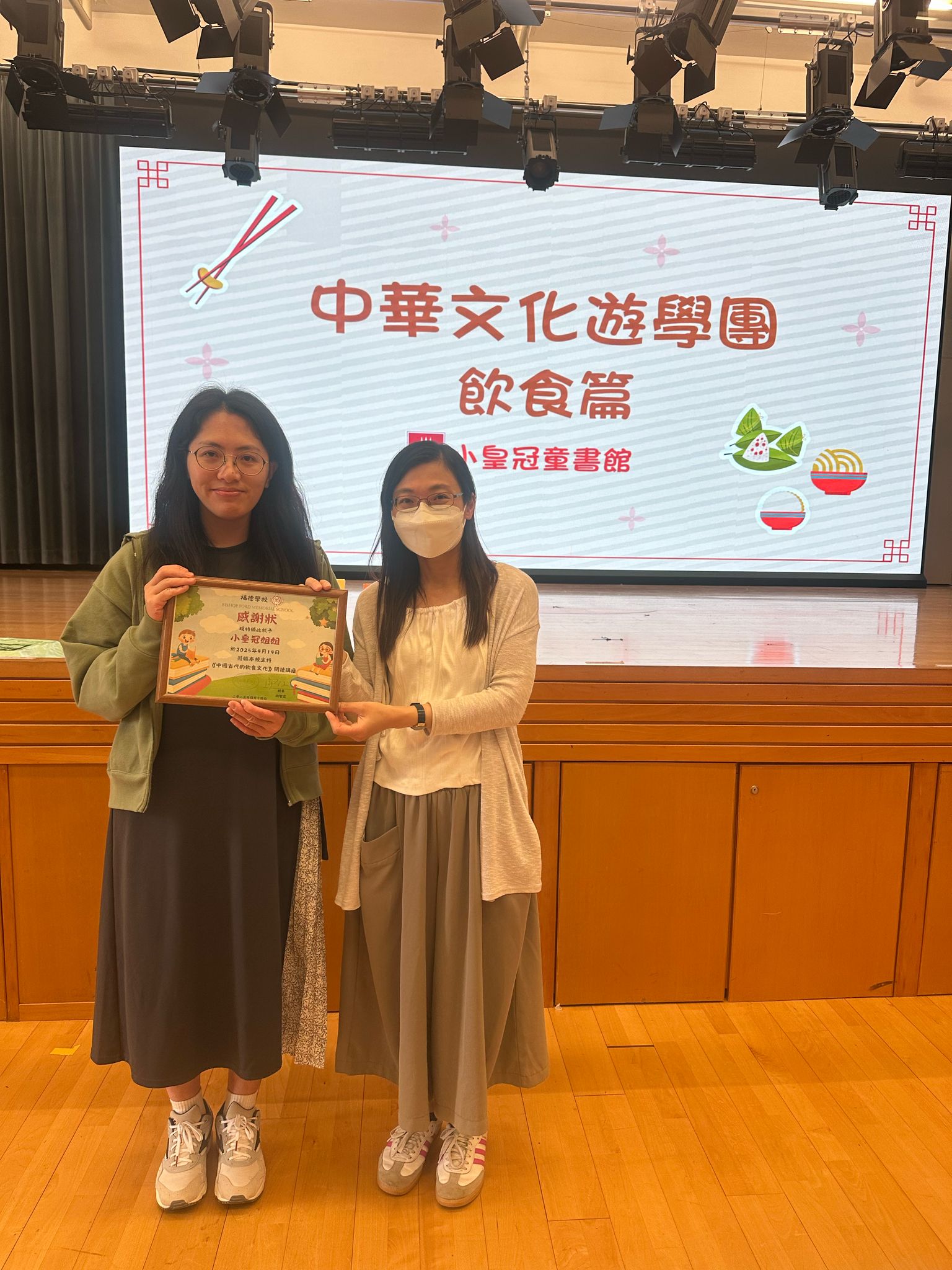
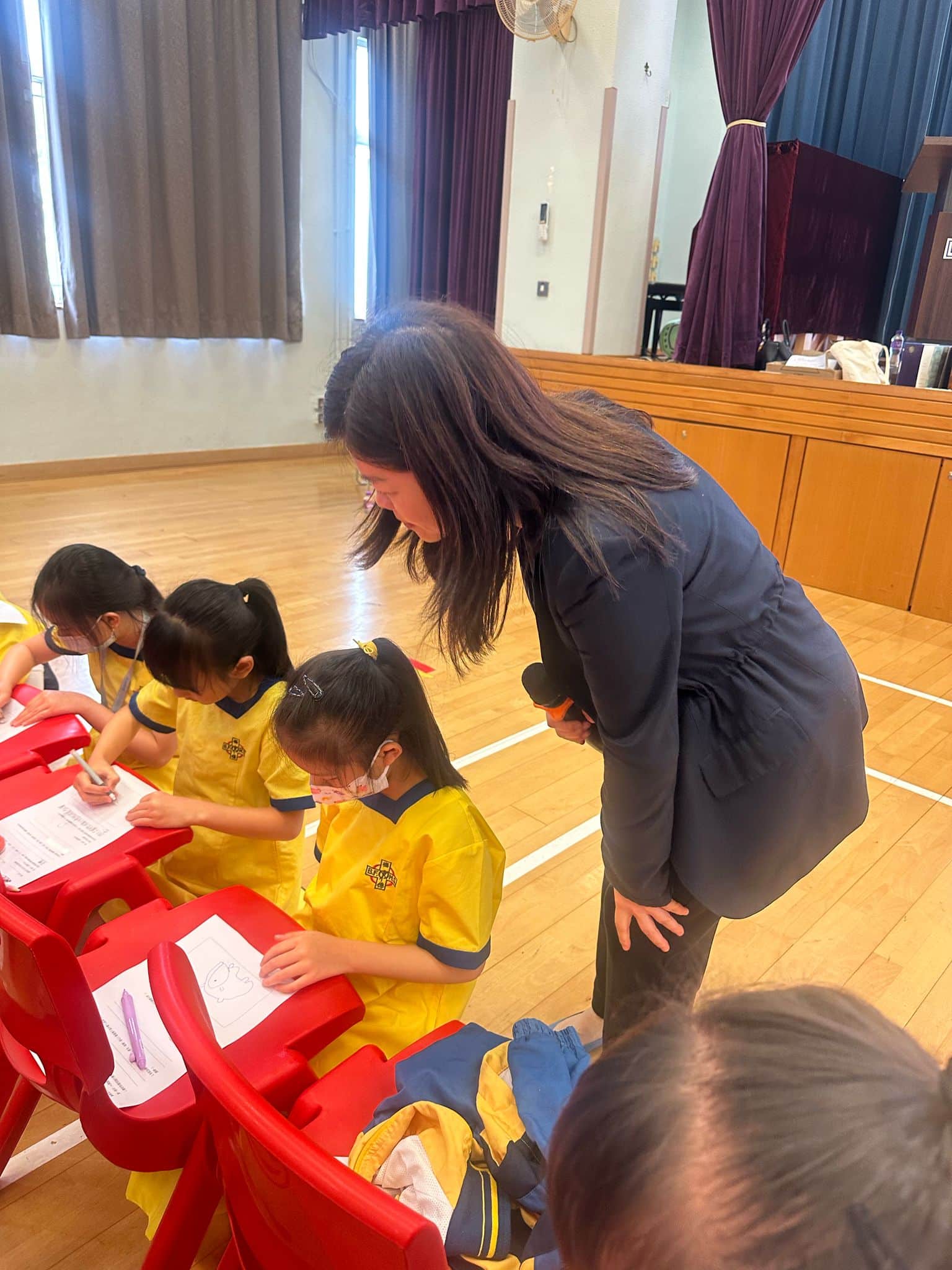
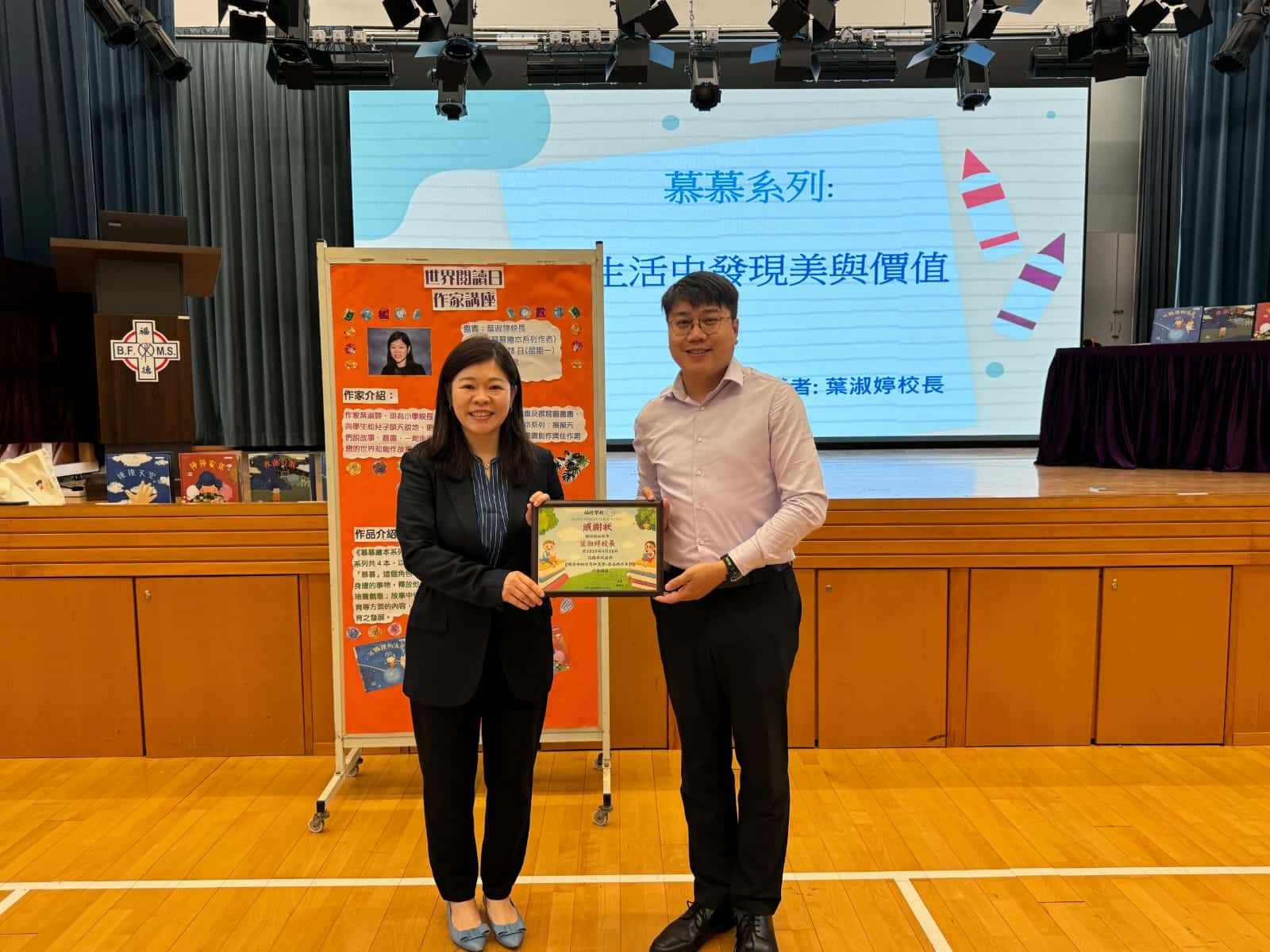
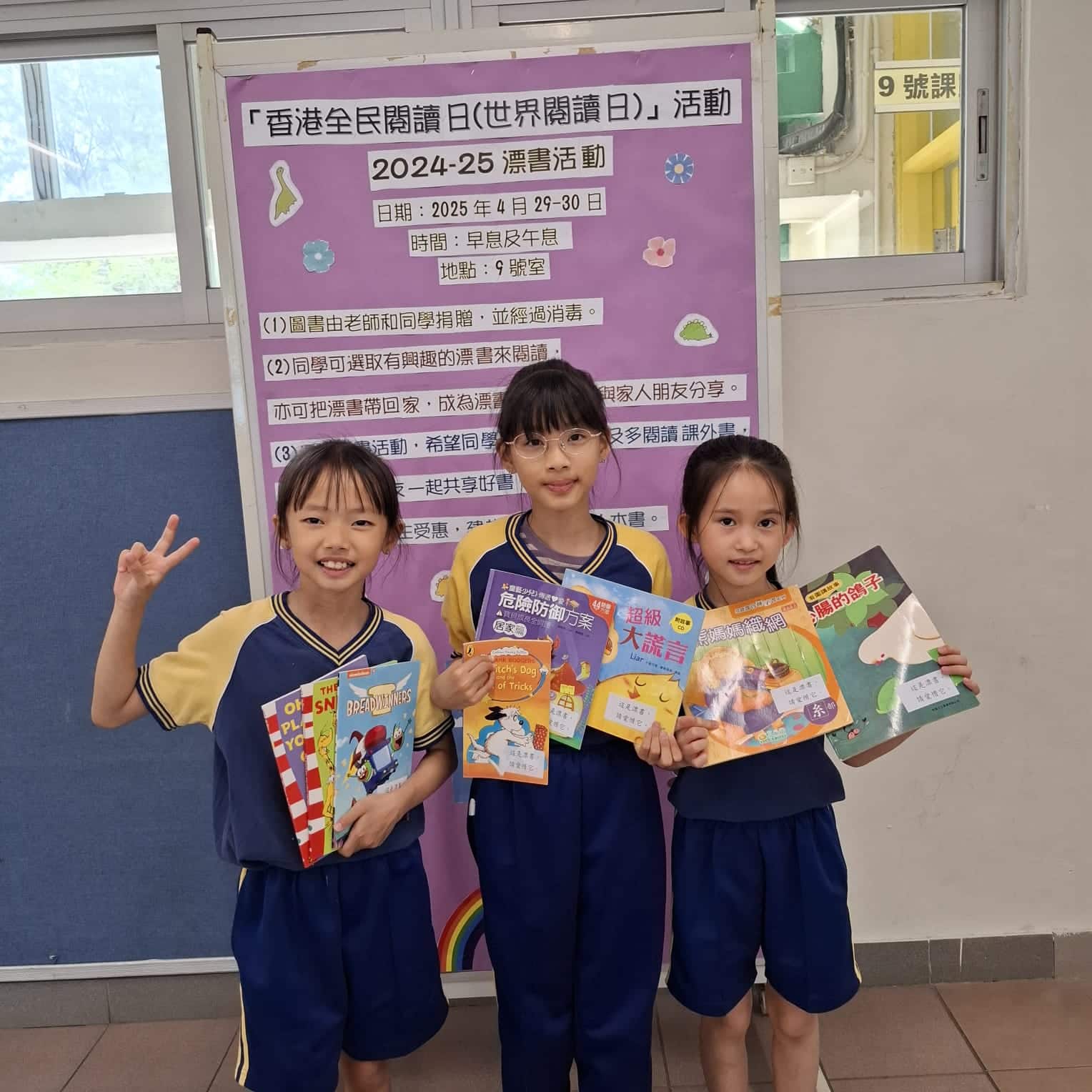
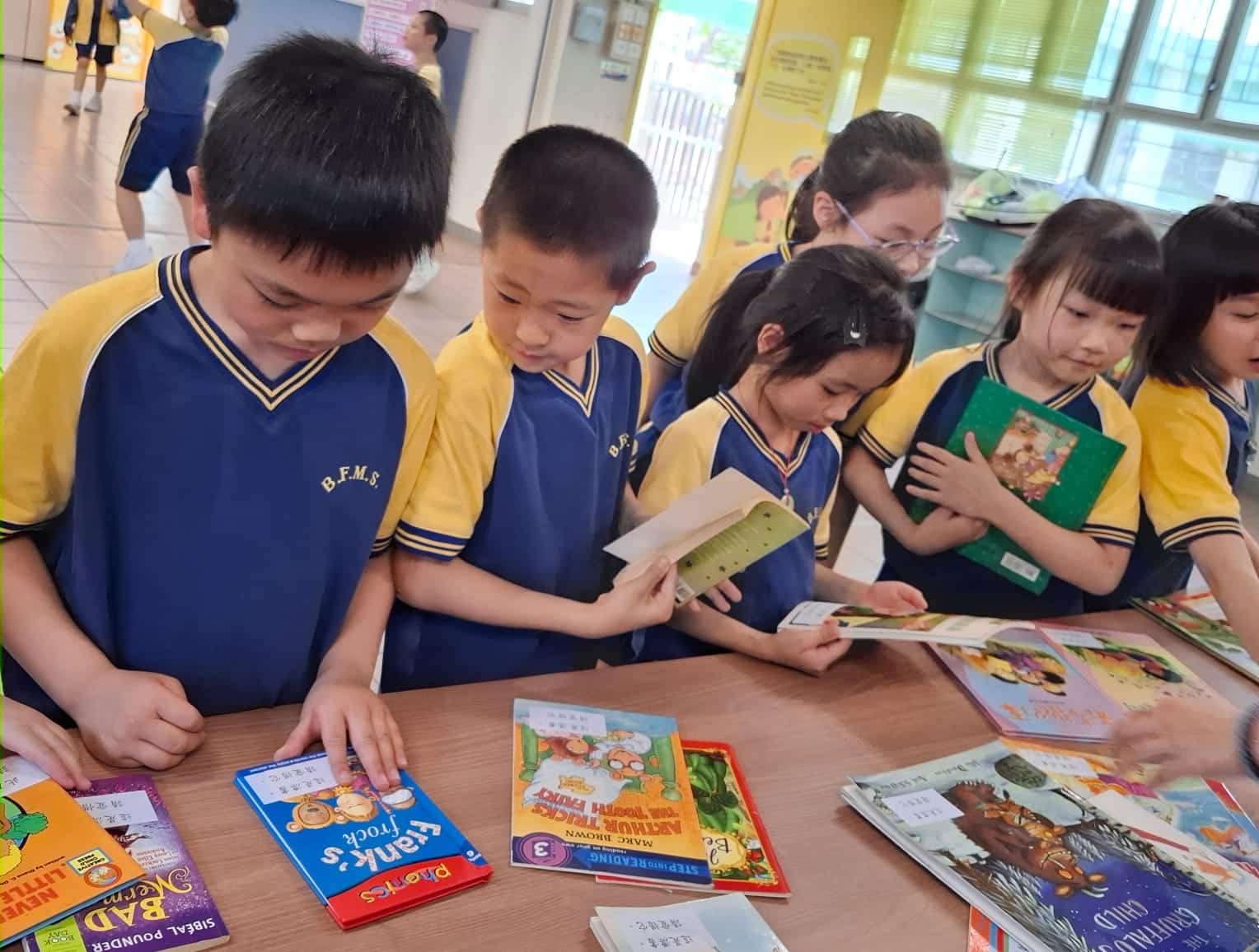
The Library Studies places great emphasis on cultivating students’interest and habit in reading. Course materials integrate the knowledge and skills that students could sparkle their interest in the subject.


2025 - 2026

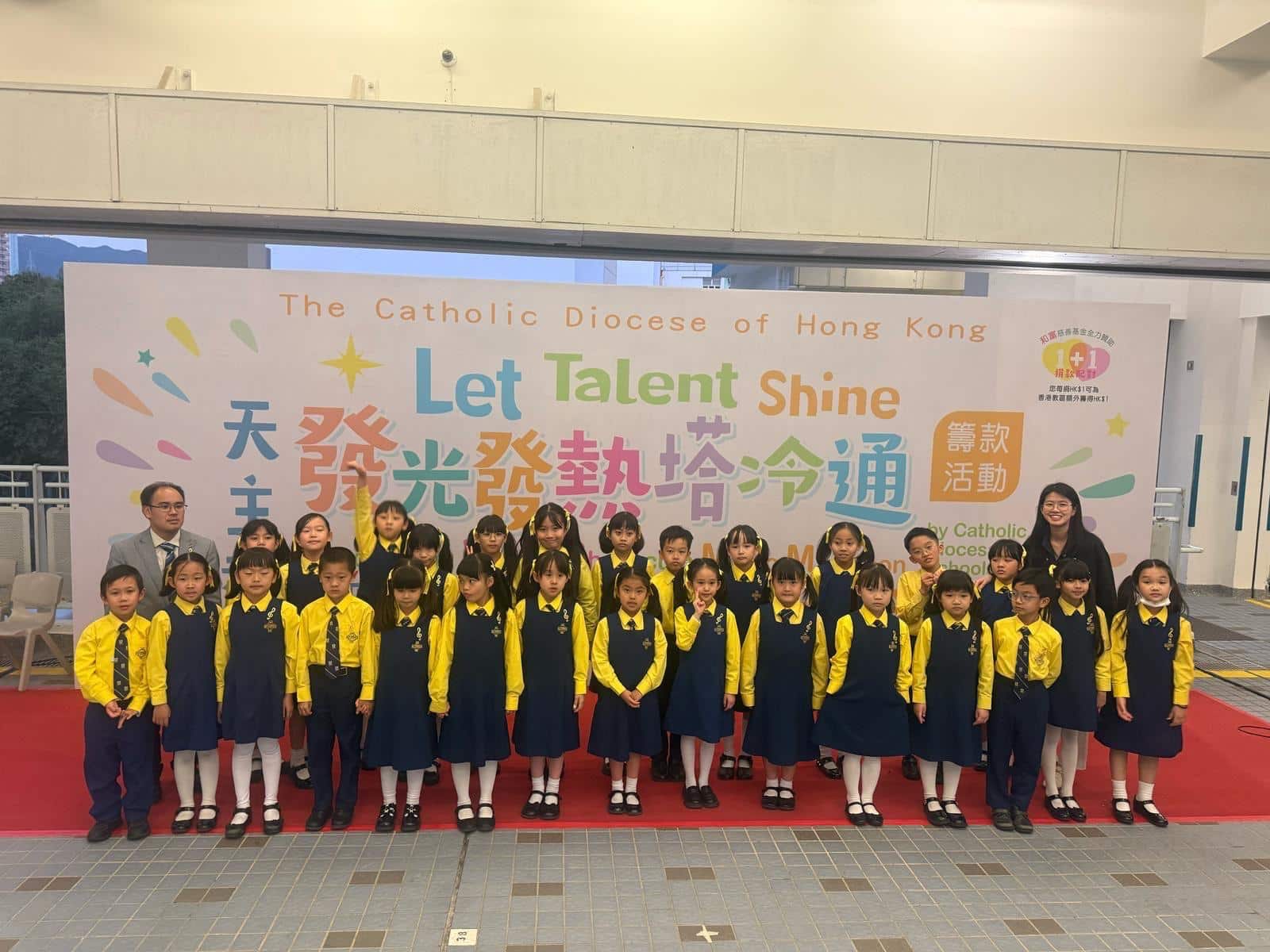
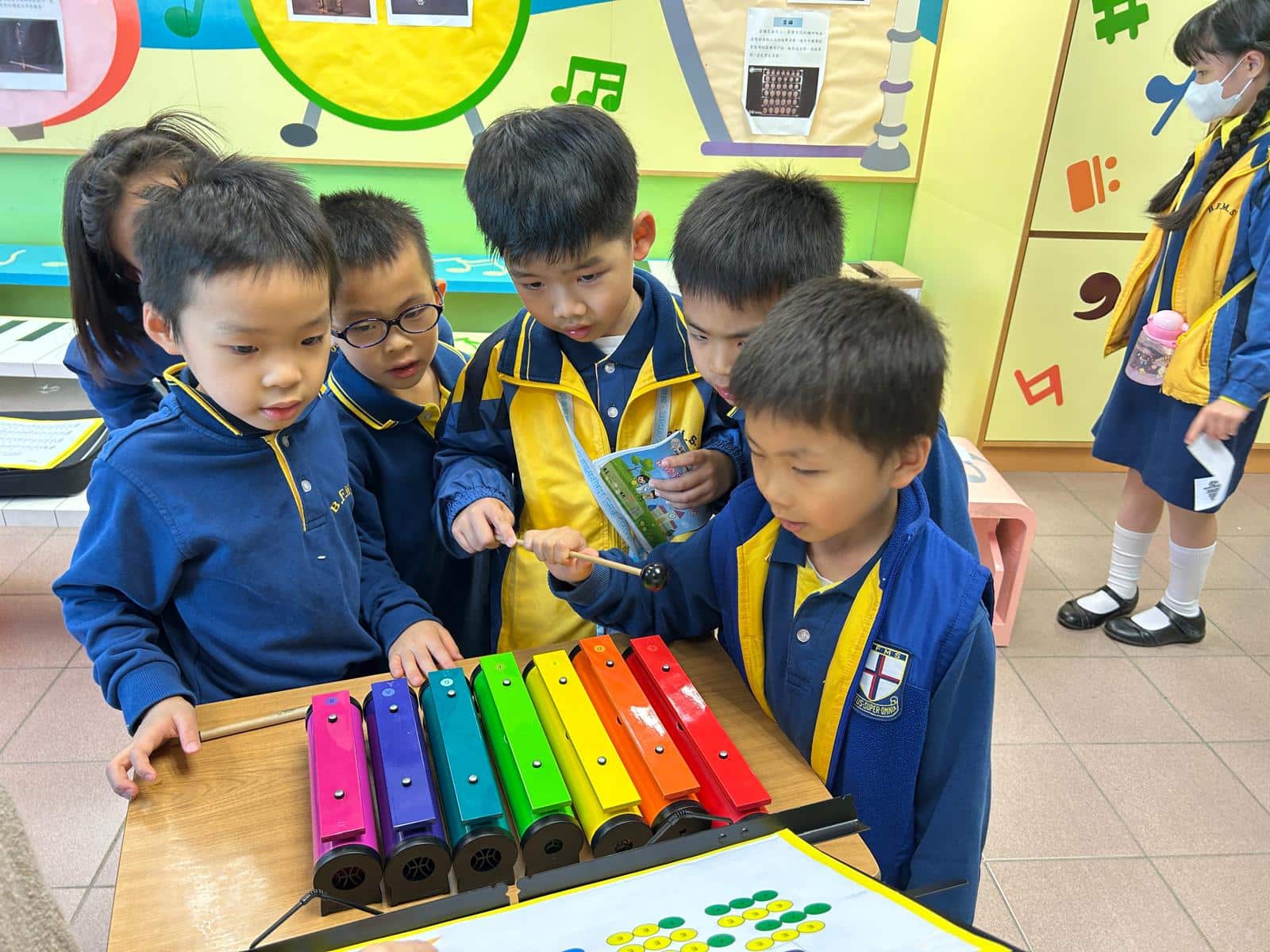
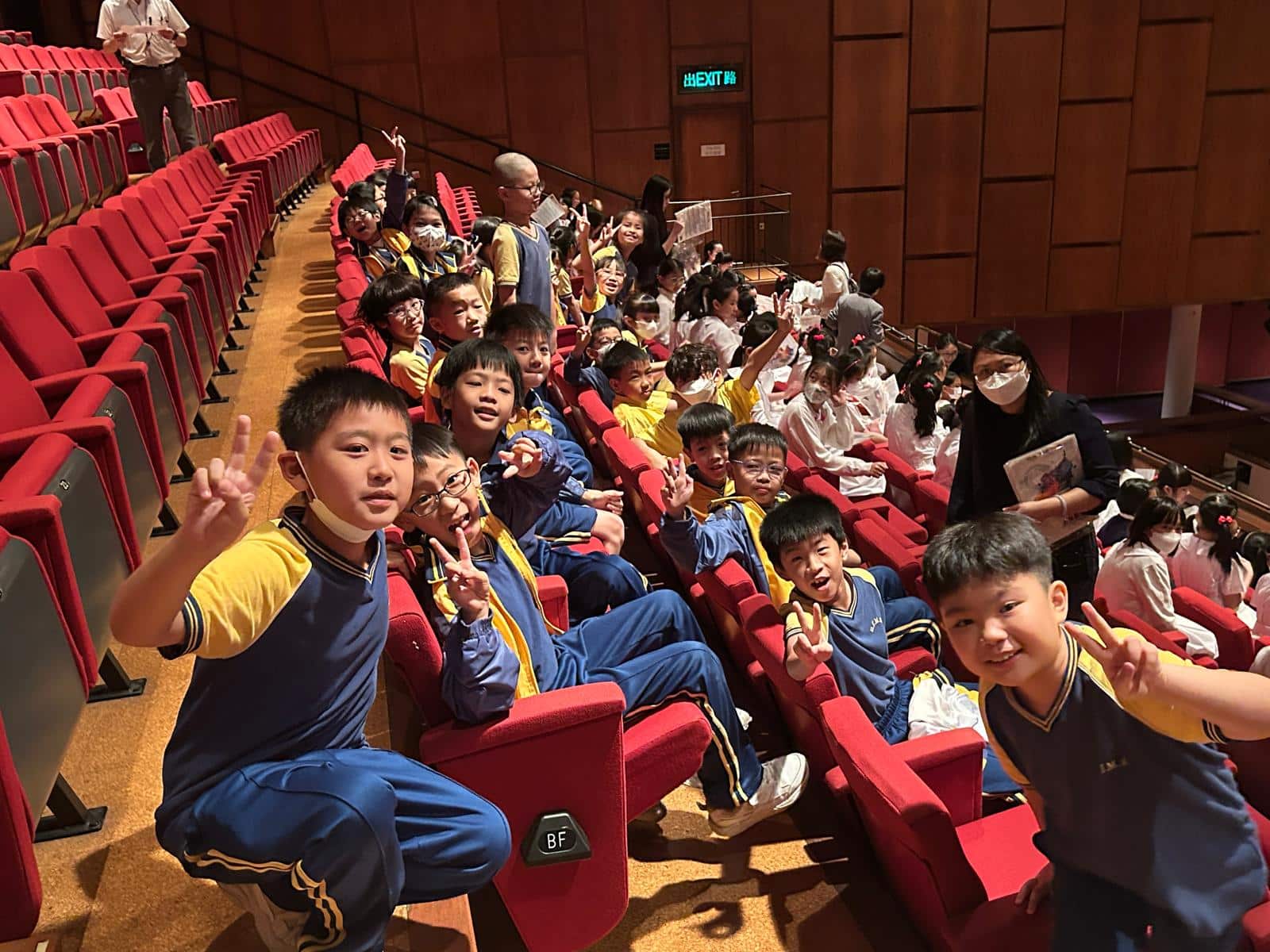
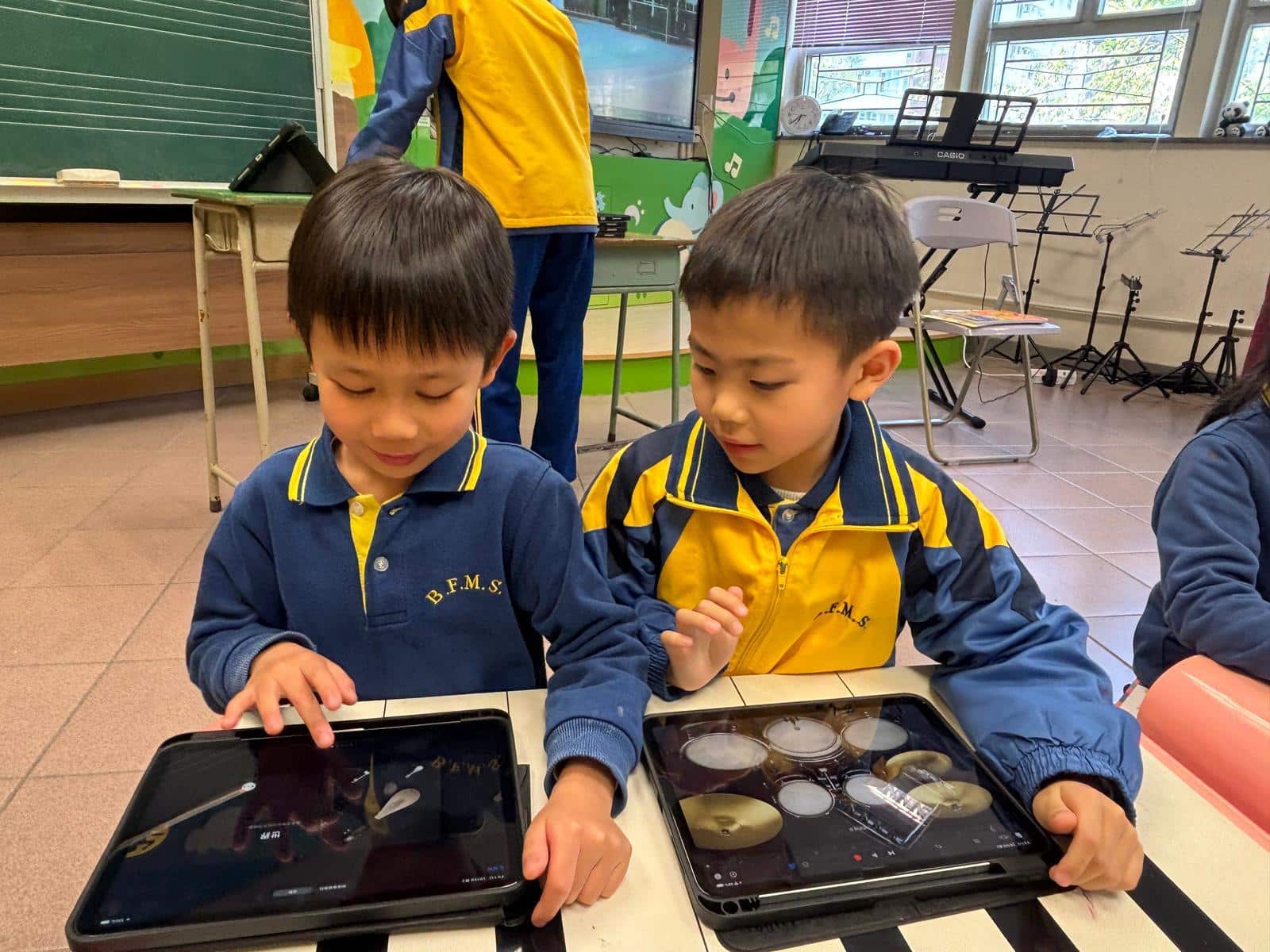
The Music curriculum is developed based on the Education Bureau’s Music Curriculum Guide and is school-based. The topics at each level incorporate the four learning strands: developing creativity and imagination, developing music skills and processes, developing music appreciation skills, and understanding music in context. The teaching plan for every grade covers the three main areas of music education: listening, performing, and creating.
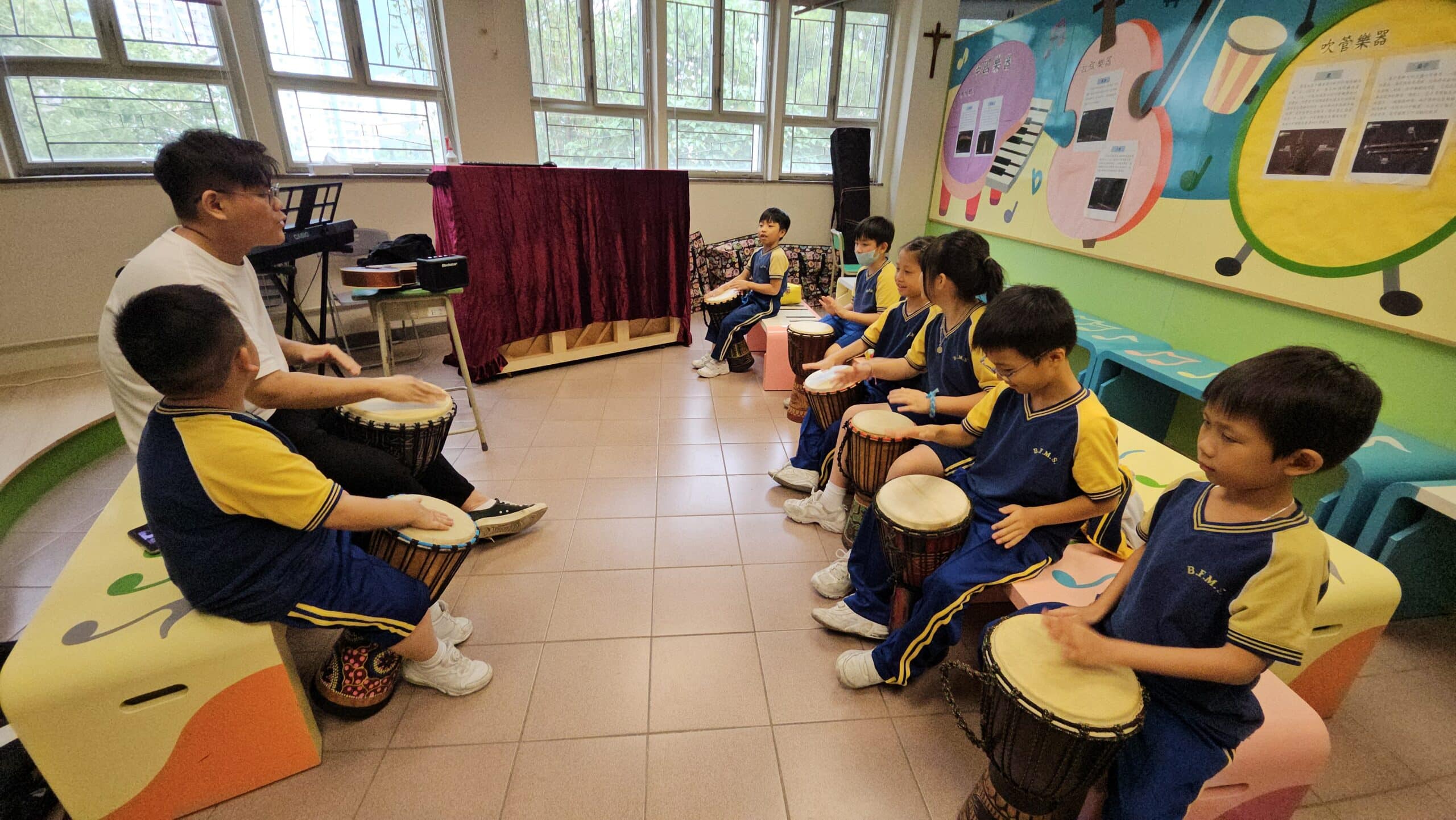
The school implements the “One Student, One Instrument” programme: Primary 1–2 students receive a school-based keyboard course, while Primary 3–6 students take a school-based recorder course, enriching their musical learning experience. All levels also have a school-based solfège (sight-singing) course to develop sight-singing skills and enhance students’ sense of rhythm and musicality.
The Music Department maintains a “Music Learning Portfolio” for students, helping them review and consolidate what they have learned while promoting a culture of mutual appreciation.
Our School focuses on helping students integrate and apply knowledge and skills.
Students complete a Humanities Learning Portfolio in class. Through a variety of inquiry-based and experiential learning activities, students review their learning effectiveness, reflect on and adjust their learning strategies, and develop the ability to learn independently.
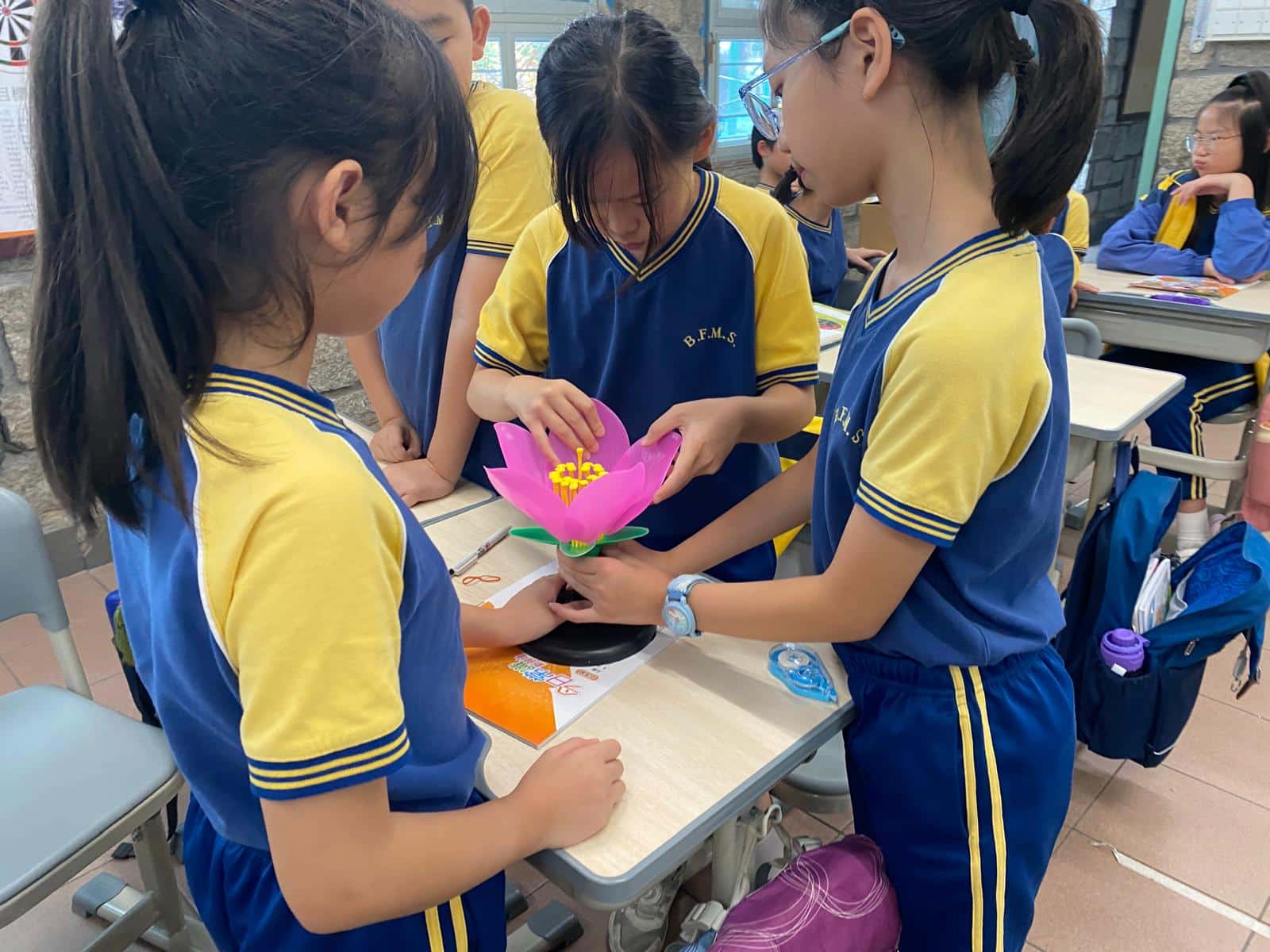
Through lively and engaging teaching methods, hands-on and minds-on inquiry activities, and diverse learning experiences beyond the classroom, the curriculum aims to spark students’interest in science and innovative technology. It further nurtures a sense of social responsibility, encouraging students to actively contribute to societal progress and improve the quality of life.
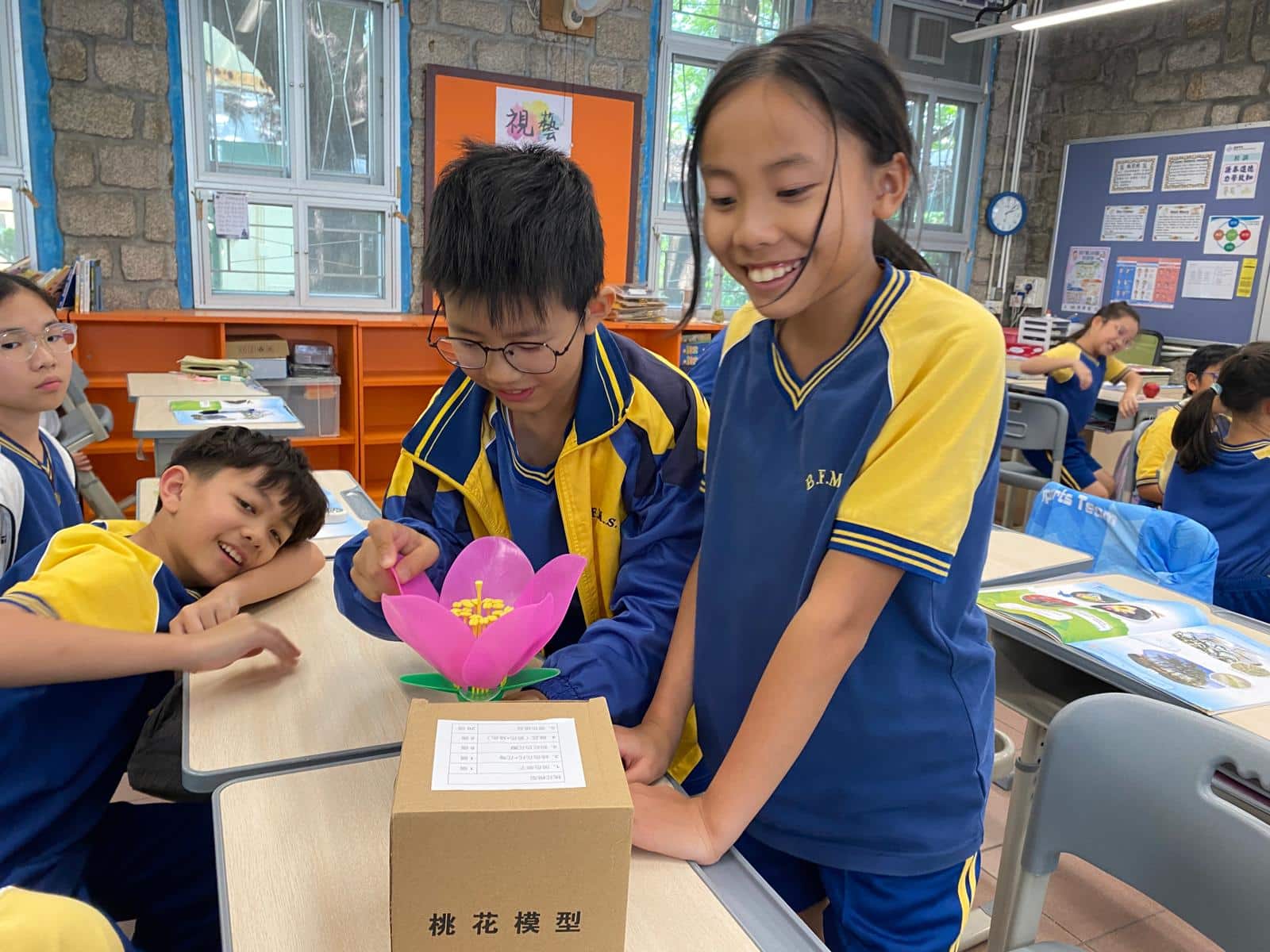
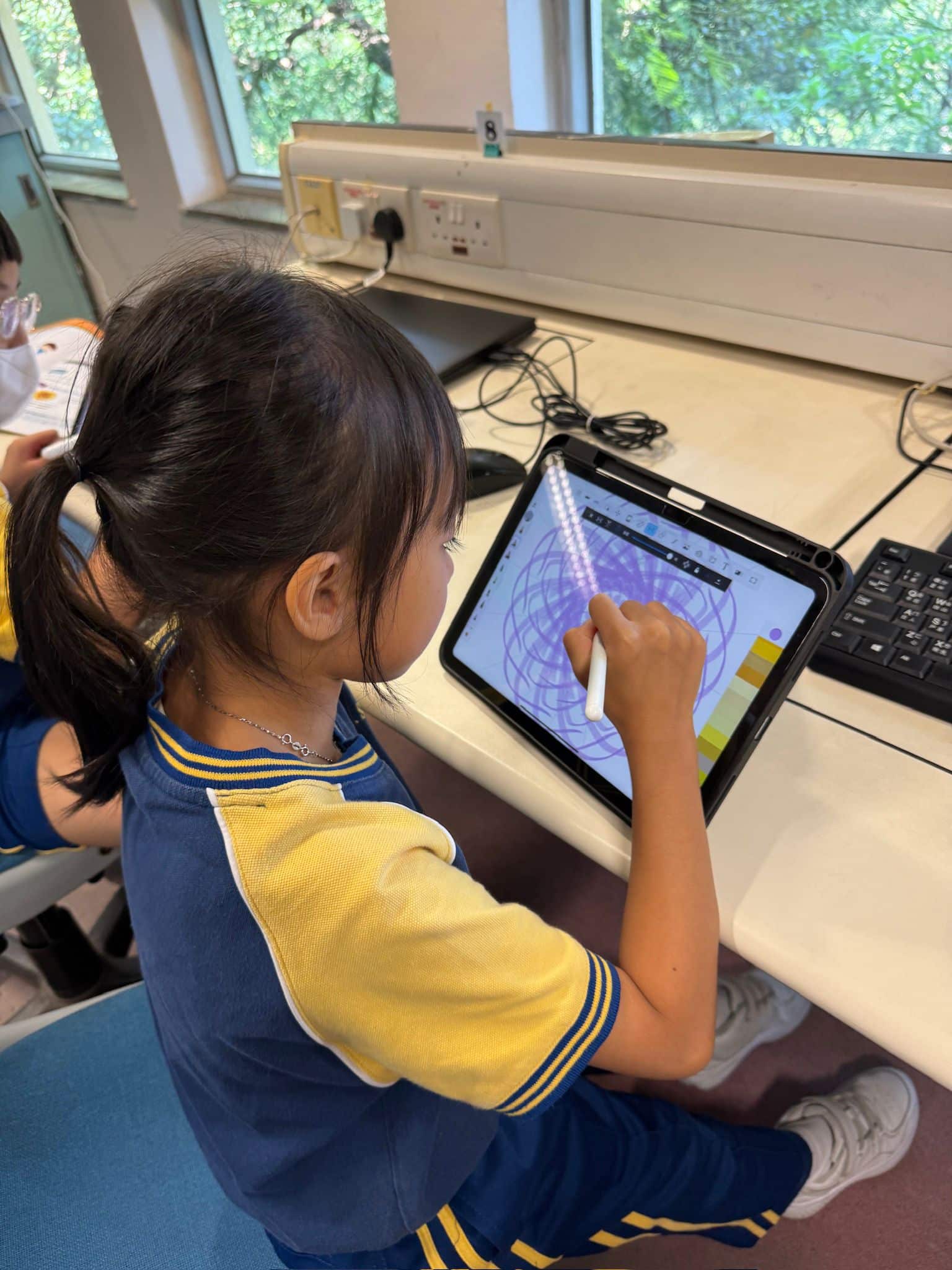
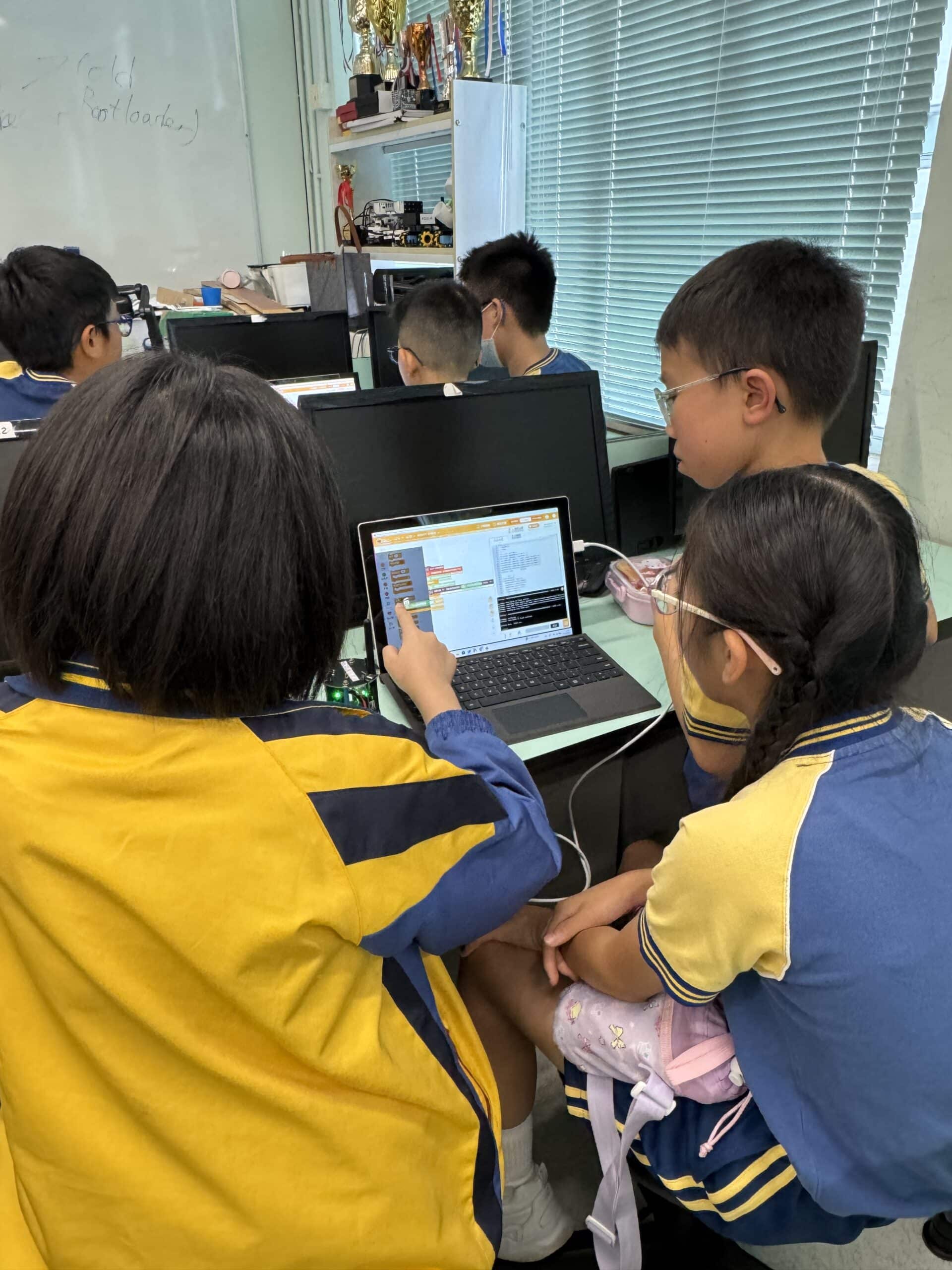
To align with the development of e-learning and STEAM education, our School incorporates topics such as programming, multimedia creation, and artificial intelligence, aiming to enhance students’logical and computational thinking skills to achieve the goals of “To Think, To Play, To Code, To Reflect”.
The ability and attitude to use information effectively and ethically are particularly important for students’lifelong learning and self-directed learning. Therefore, each term includes topics related to information literacy to nurture students into responsible citizens who can use information ethically and responsibly.

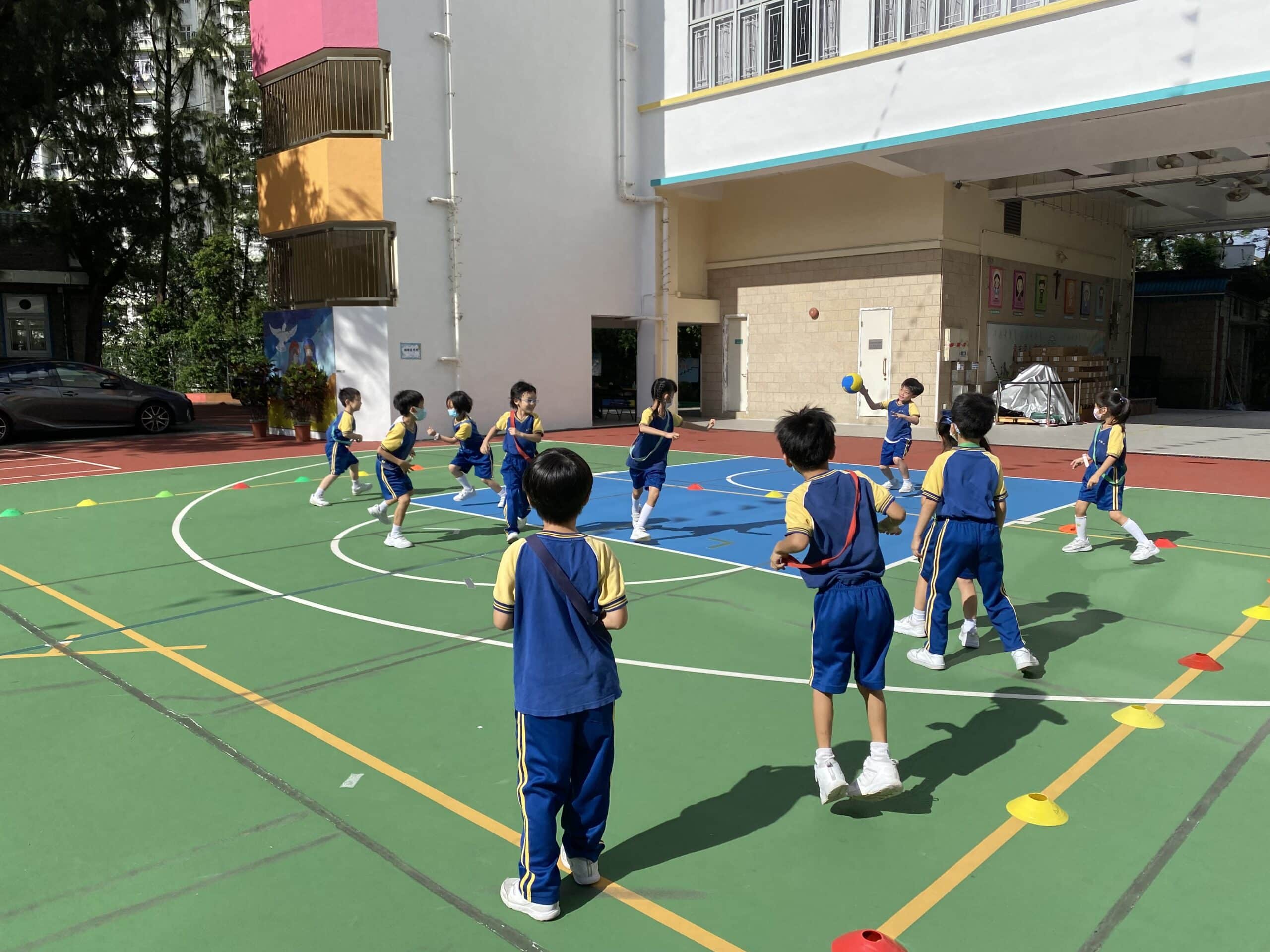
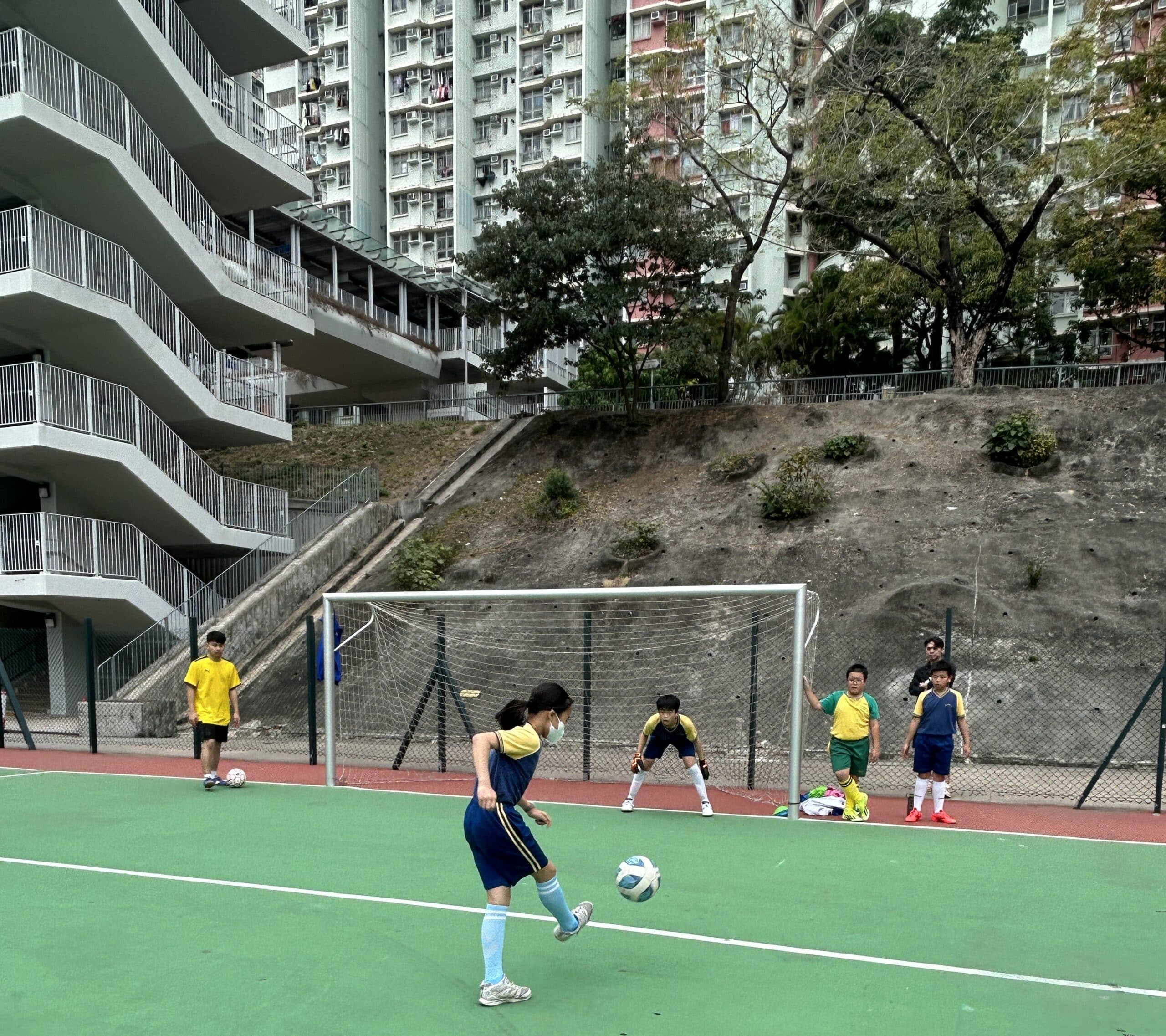
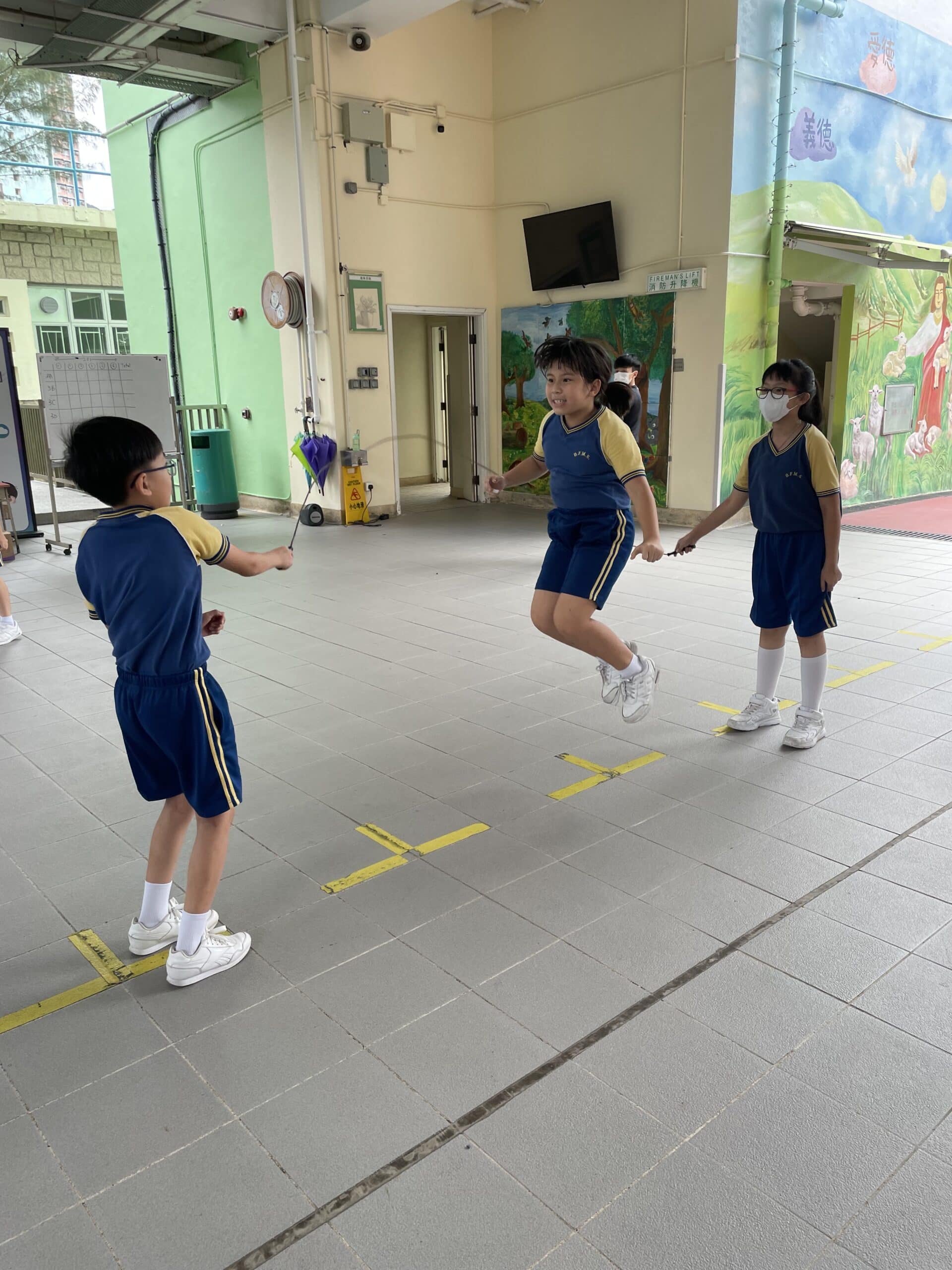
Our School places strong emphasis on developing students’physical fitness, collaboration skills, and sports techniques.
The school-based PE programme is designed progressively:
- Primary 1: Dodgeball
- Primary 2: Mini-tennis
- Primary 3: Frisbee
- Primary 4: Tchoukball
- Primary 5: Rugby
- Primary 6: Lacrosse
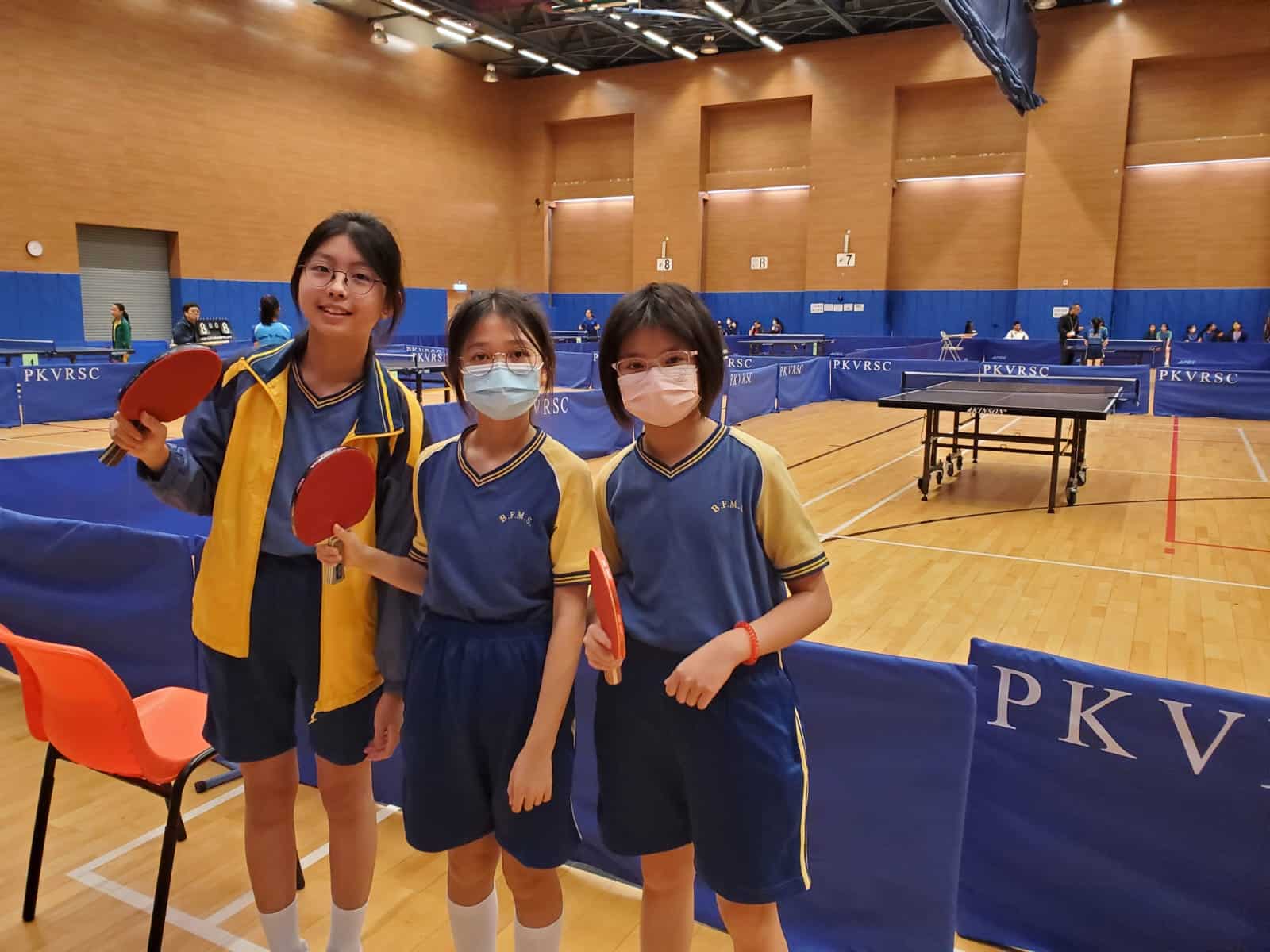
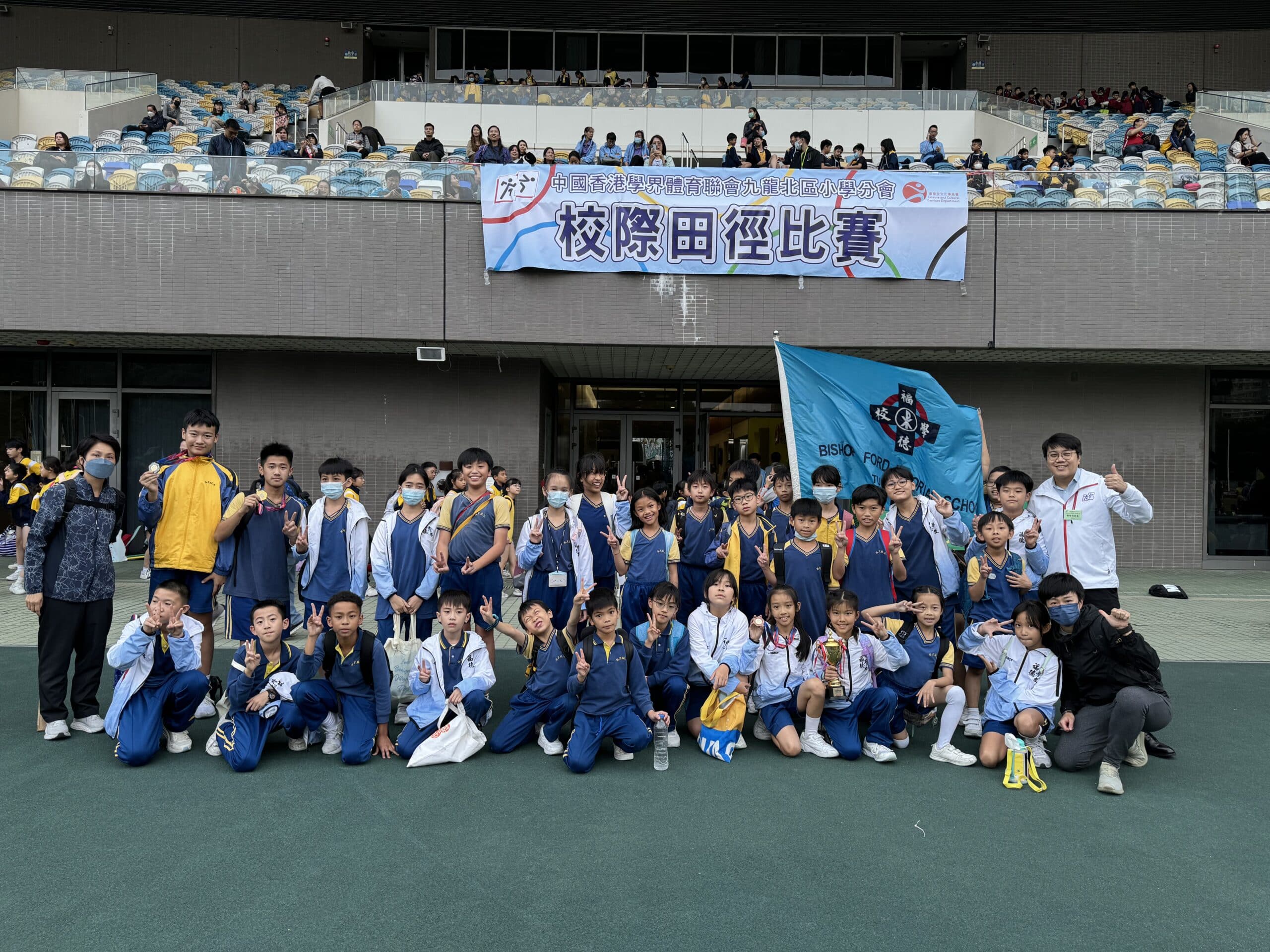
This comprehensive approach fully enhances students’overall sports literacy and team spirit.
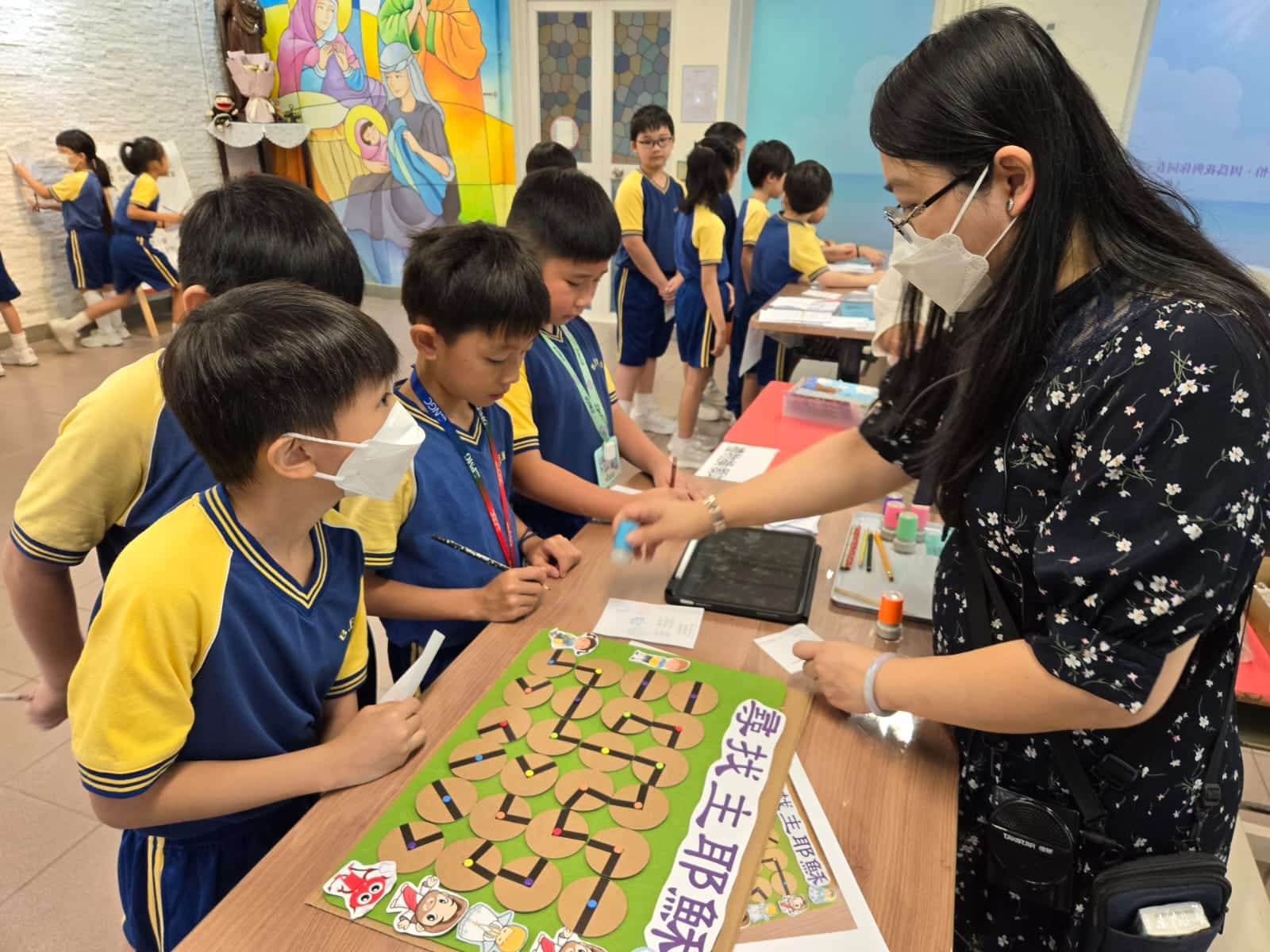
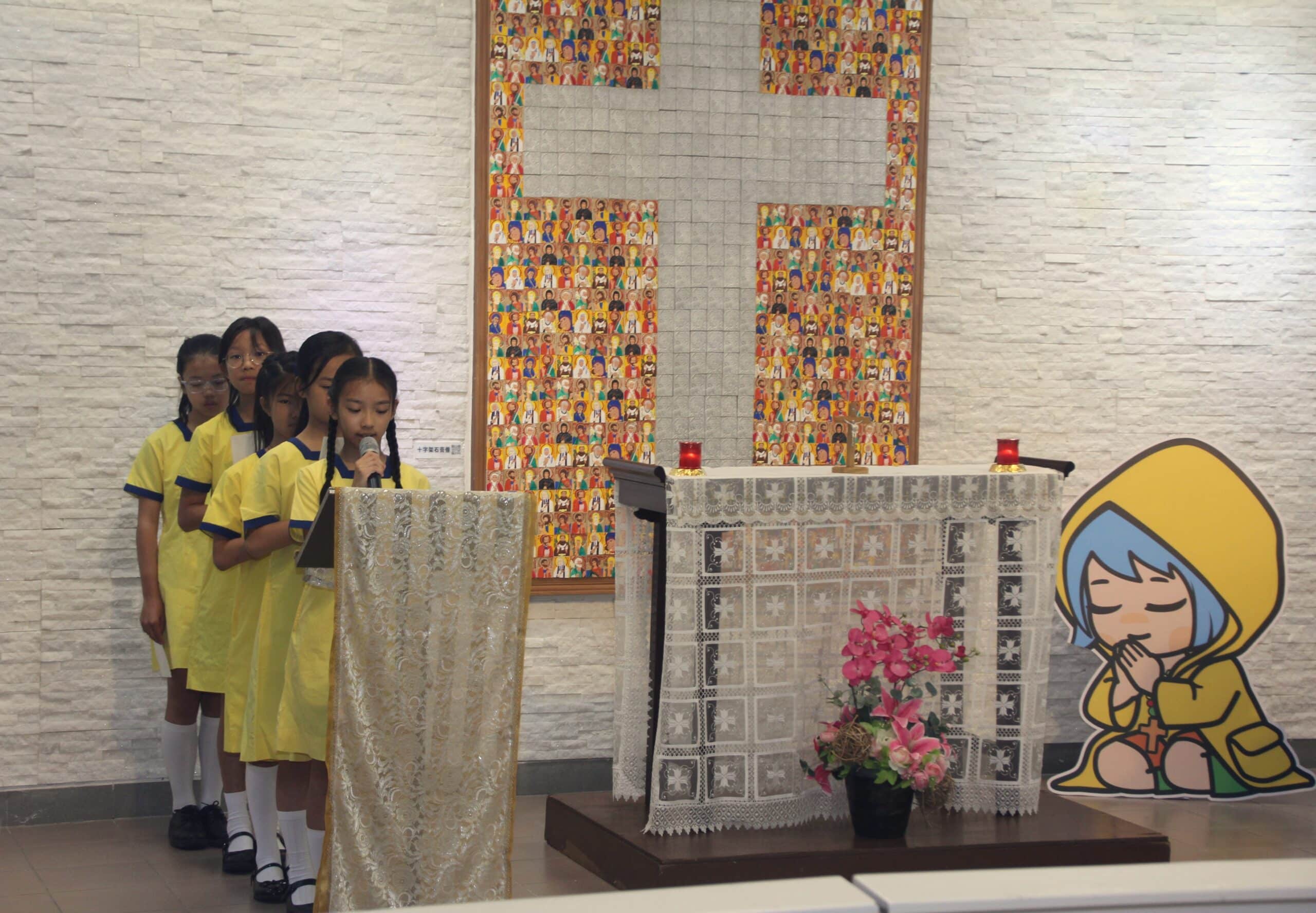
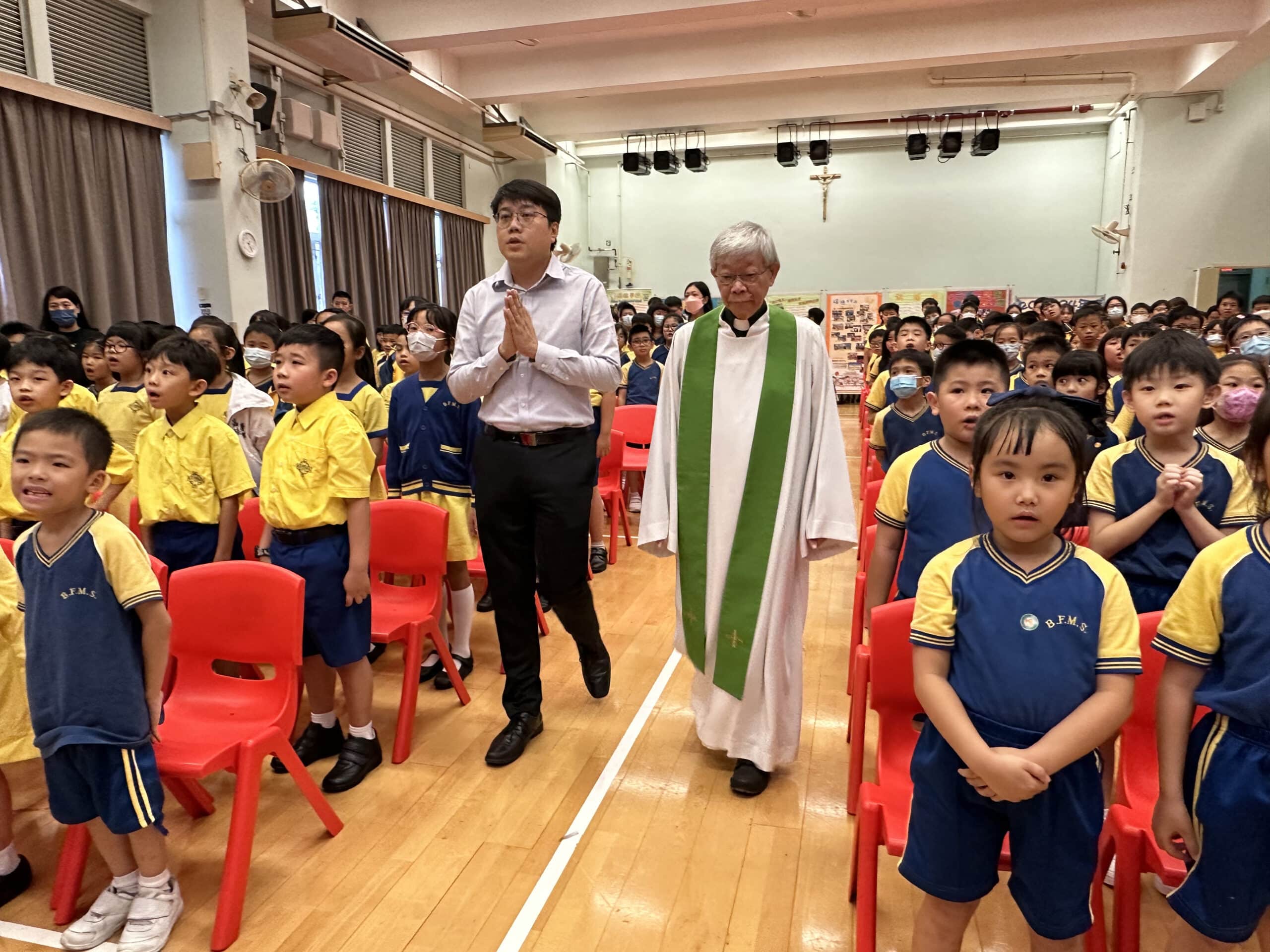
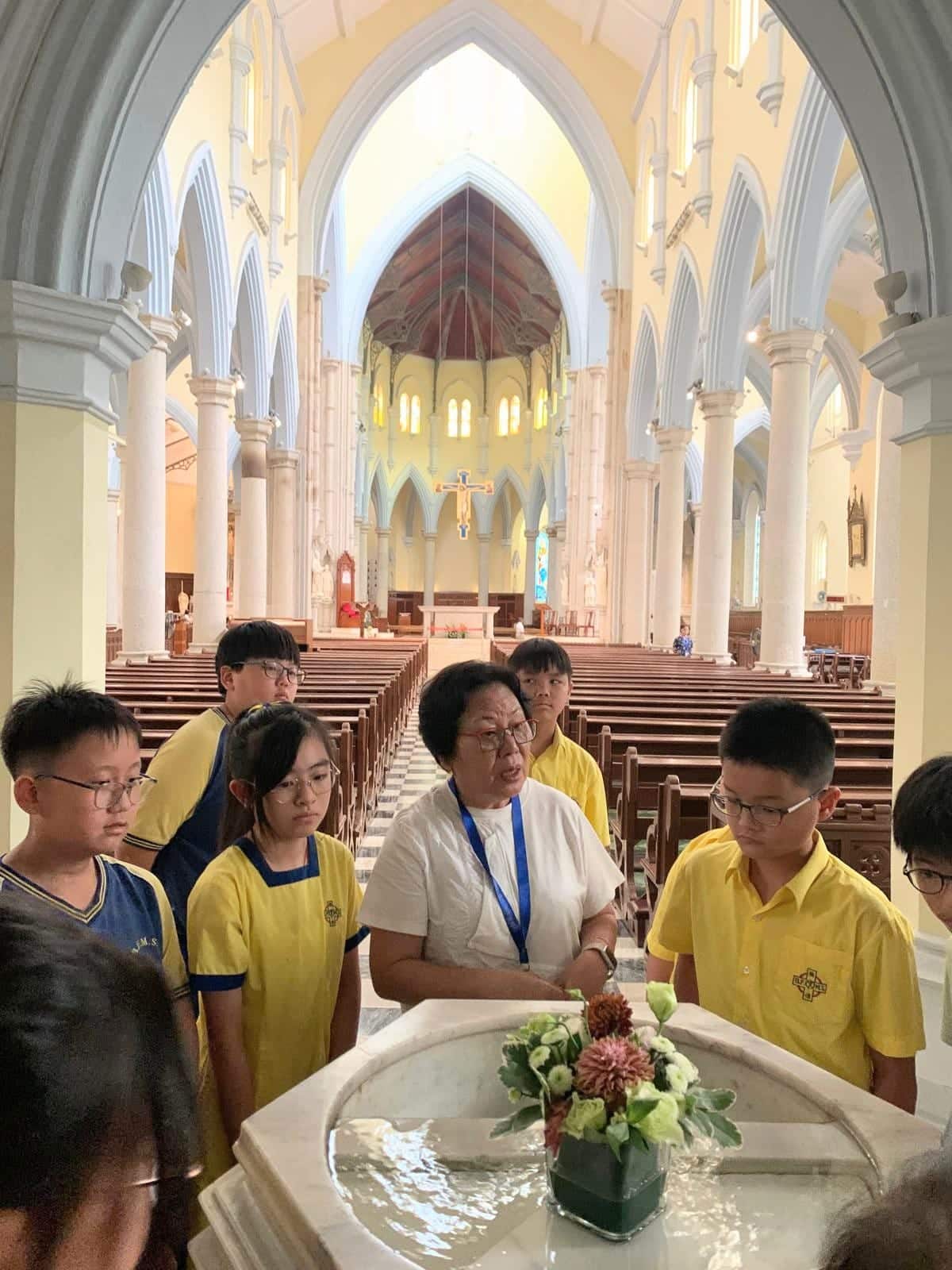
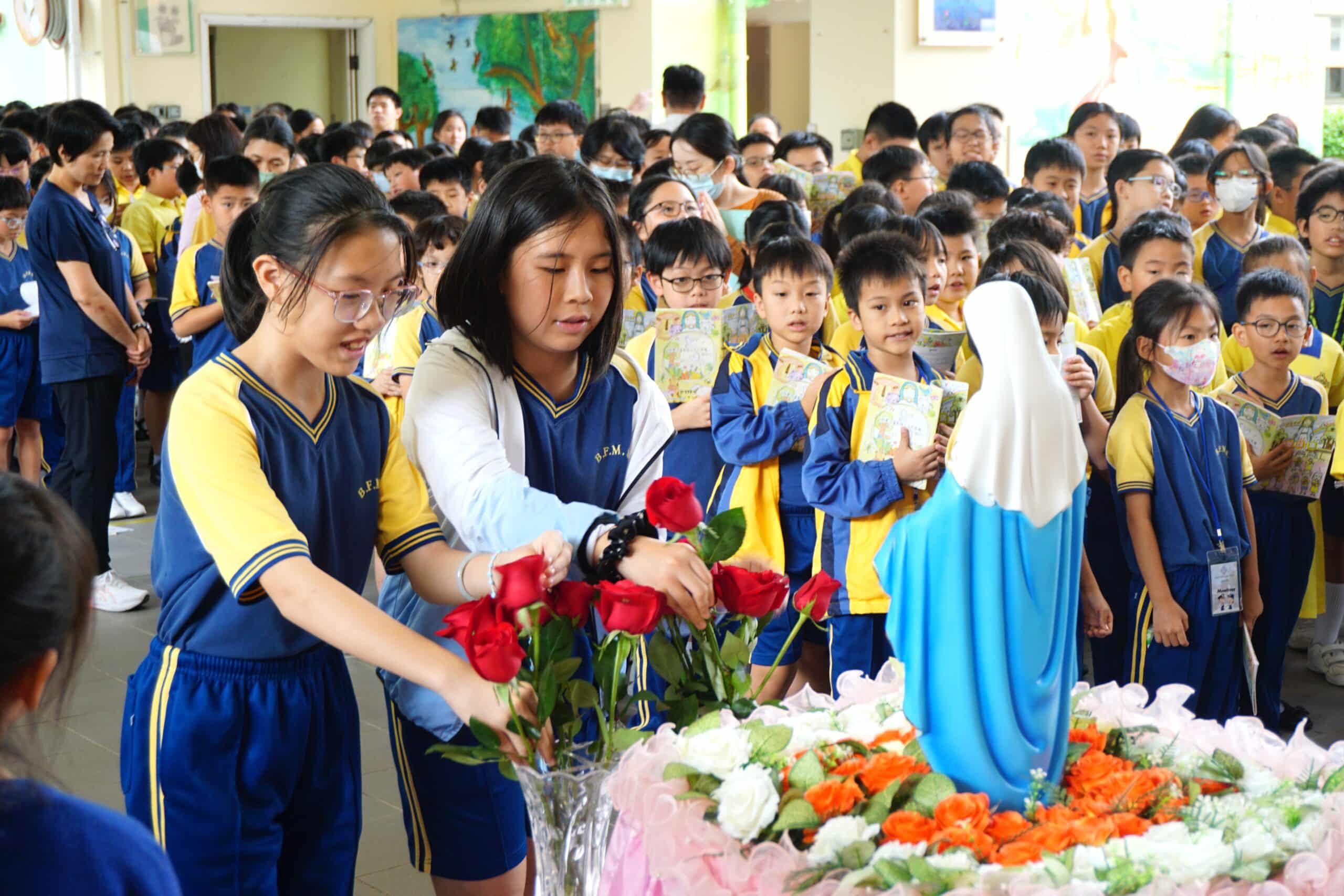
Our School combines the five core values of Catholic education”Truth, Justice, Charity, Life, and Family”with the school-based value of Perseverance, to nurture in students the spirit of “Love God and Love Others”.
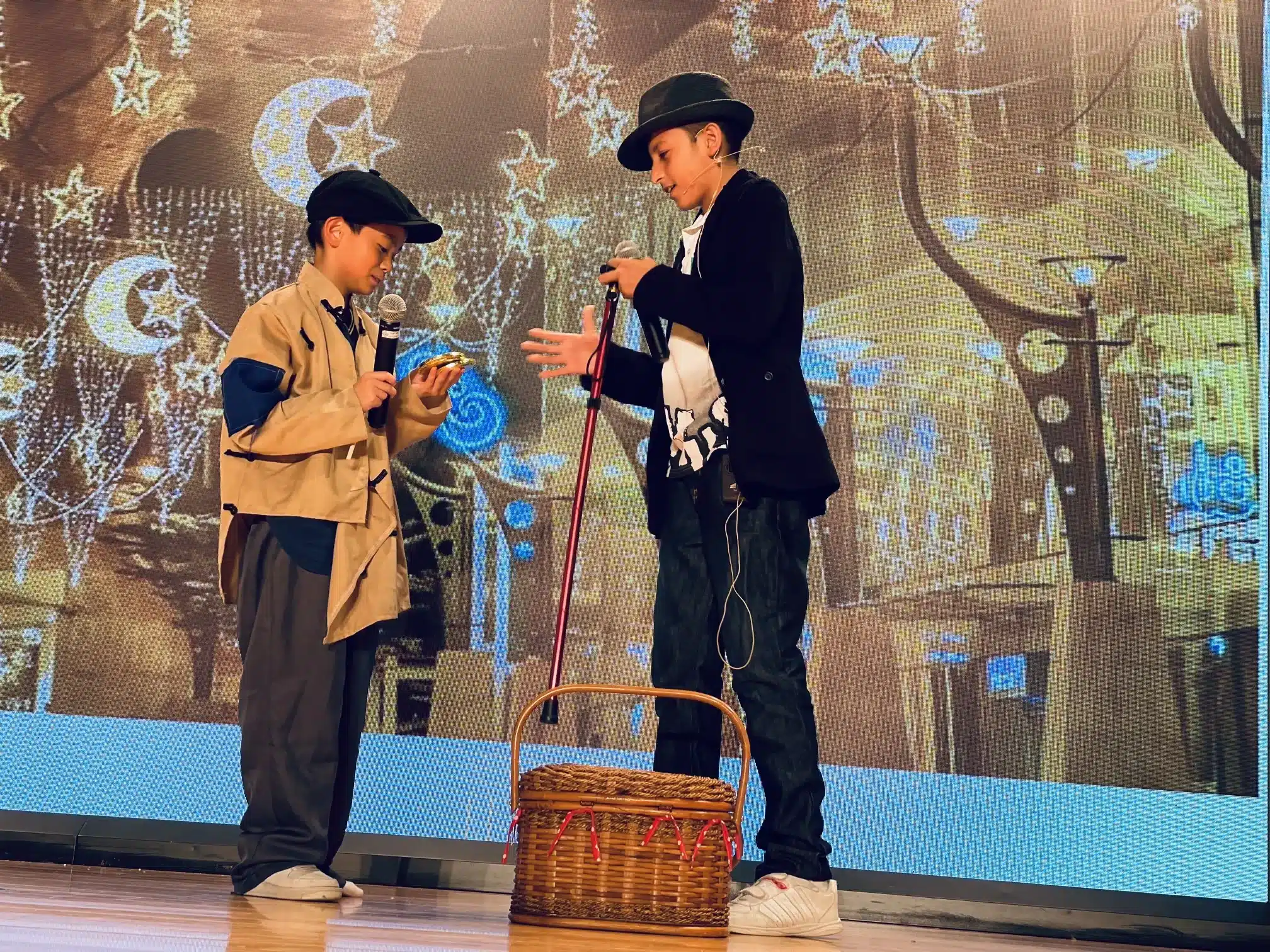
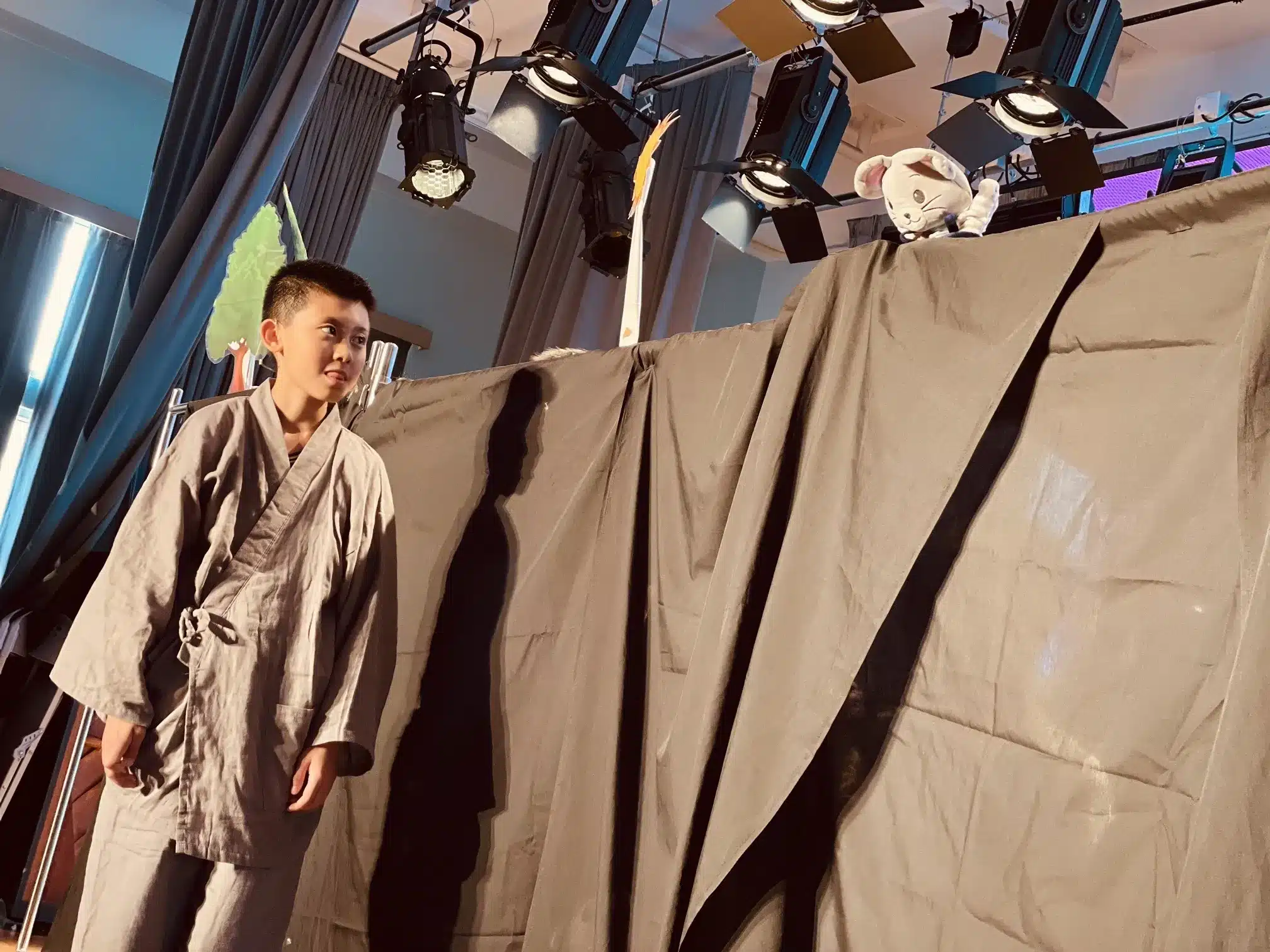
Drama
To enhance students’interpersonal skills, self-confidence, and creativity, the Drama curriculum adopts the“Tripartite Learning”educational philosophy: Performing, Creating,and Appreciating, thereby enriching students’knowledge and experience as performers, creators, and audience members.
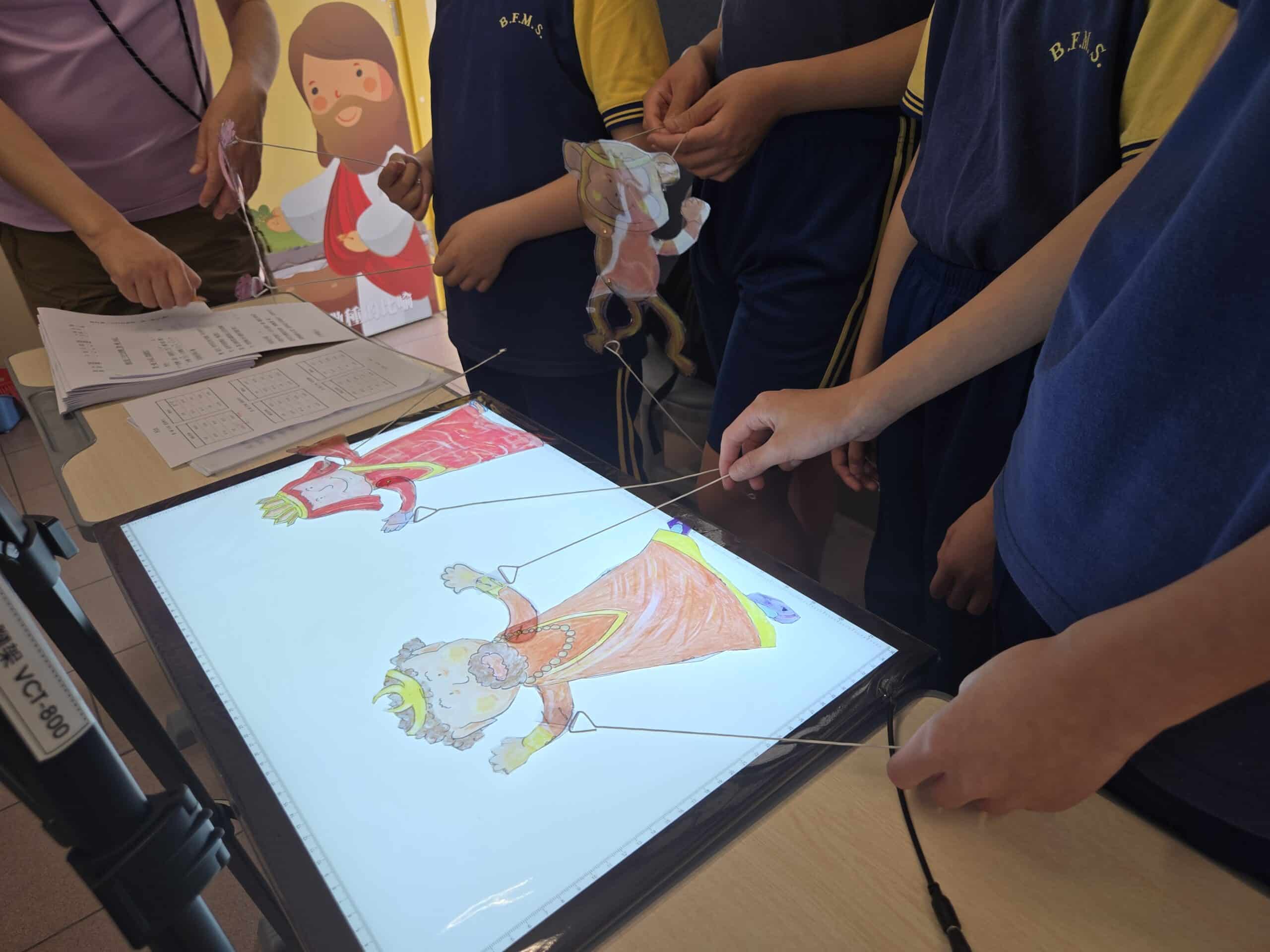
The school offers a full-year Drama course for Primary 2 and Primary 4 students. The course not only teaches basic stage techniques but also allows students to participate in scriptwriting, story development,and prop-making, providing a more comprehensive arts learning experience. In addition, Primary 4 students will be taught by professional external instructors, enabling them to gain a deeper understanding and practical experience of the essence of drama.

Dance
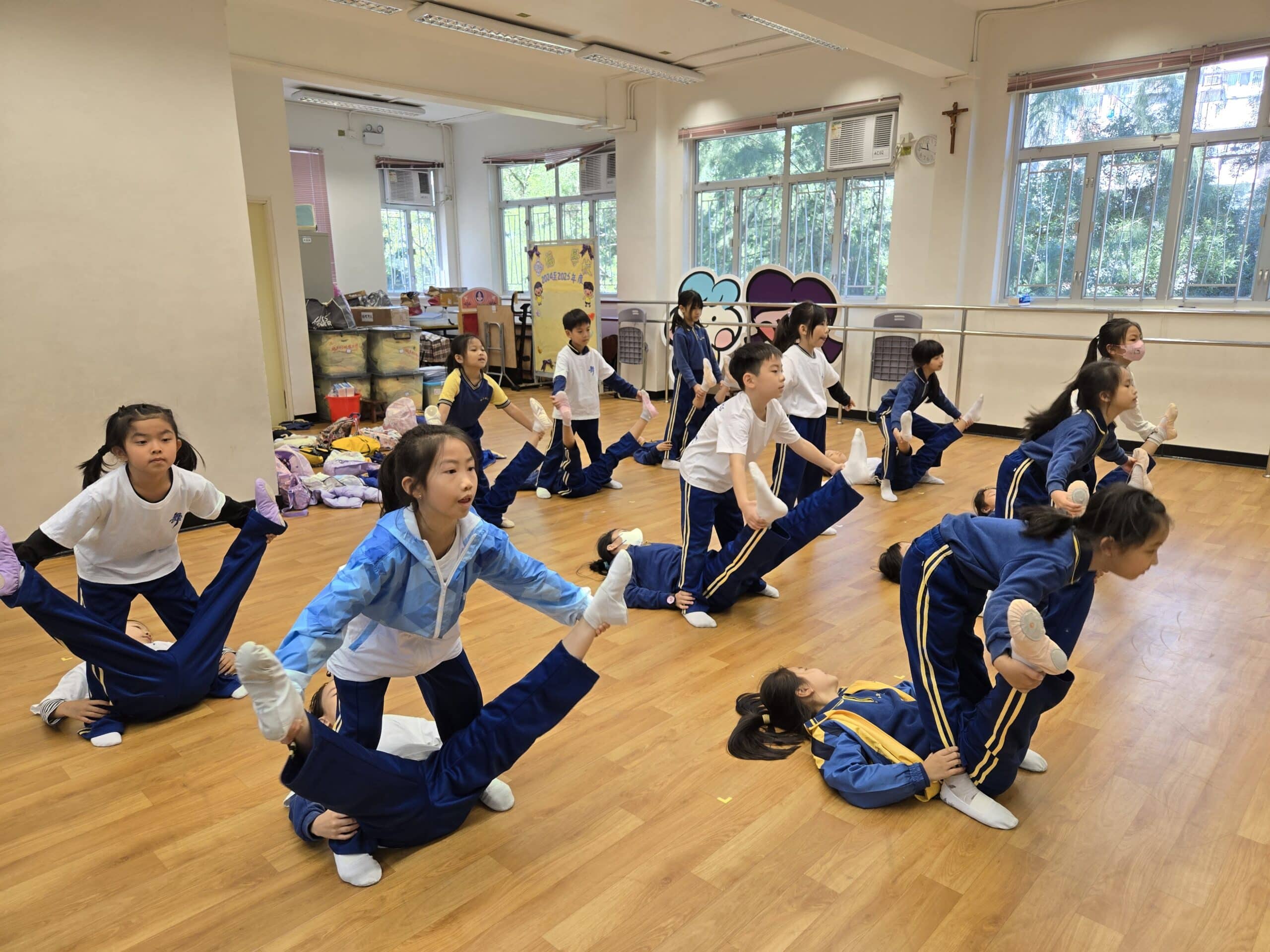
To cultivate students’creative thinking, imagination,and creativity, the Dance lessons not only teach the basic movements and knowledge of modern dance, but also require students to participate in choreography by creating dance stories and designing movements.
The Dance programme provides diverse learning opportunities for Primary 1 and Primary 3 students, encouraging the development of multiple interests.

Performing Arts
To provide students with more artistic experiences, starting from Primary 5, there are different courses for students to choose from:
- Theatre Fun Factory (Musical Theatre Group)
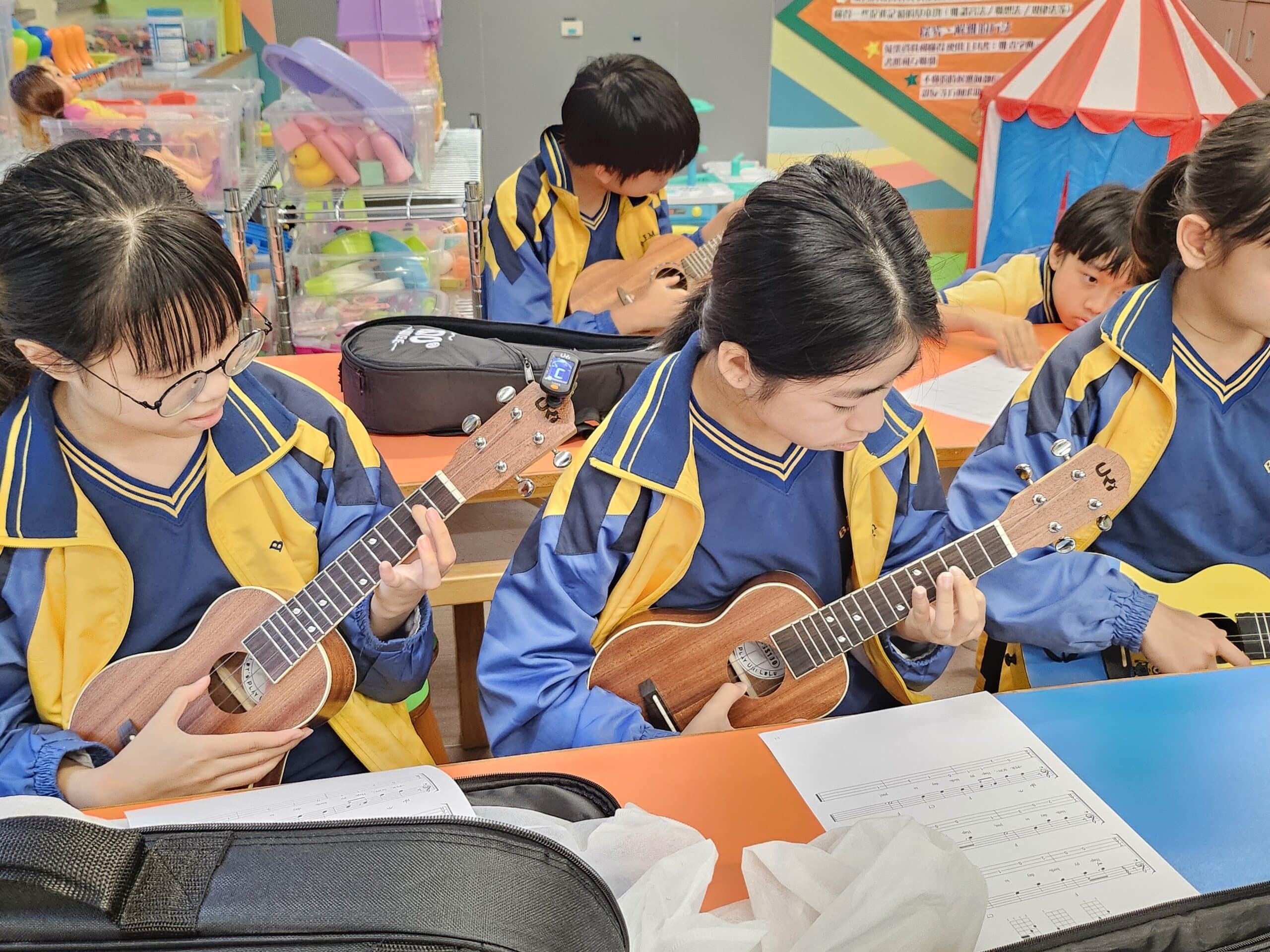
- Ukulele
- Little Actors Training Class
- Little Harp
- K-Pop & Street Dance
- e-Orchestra
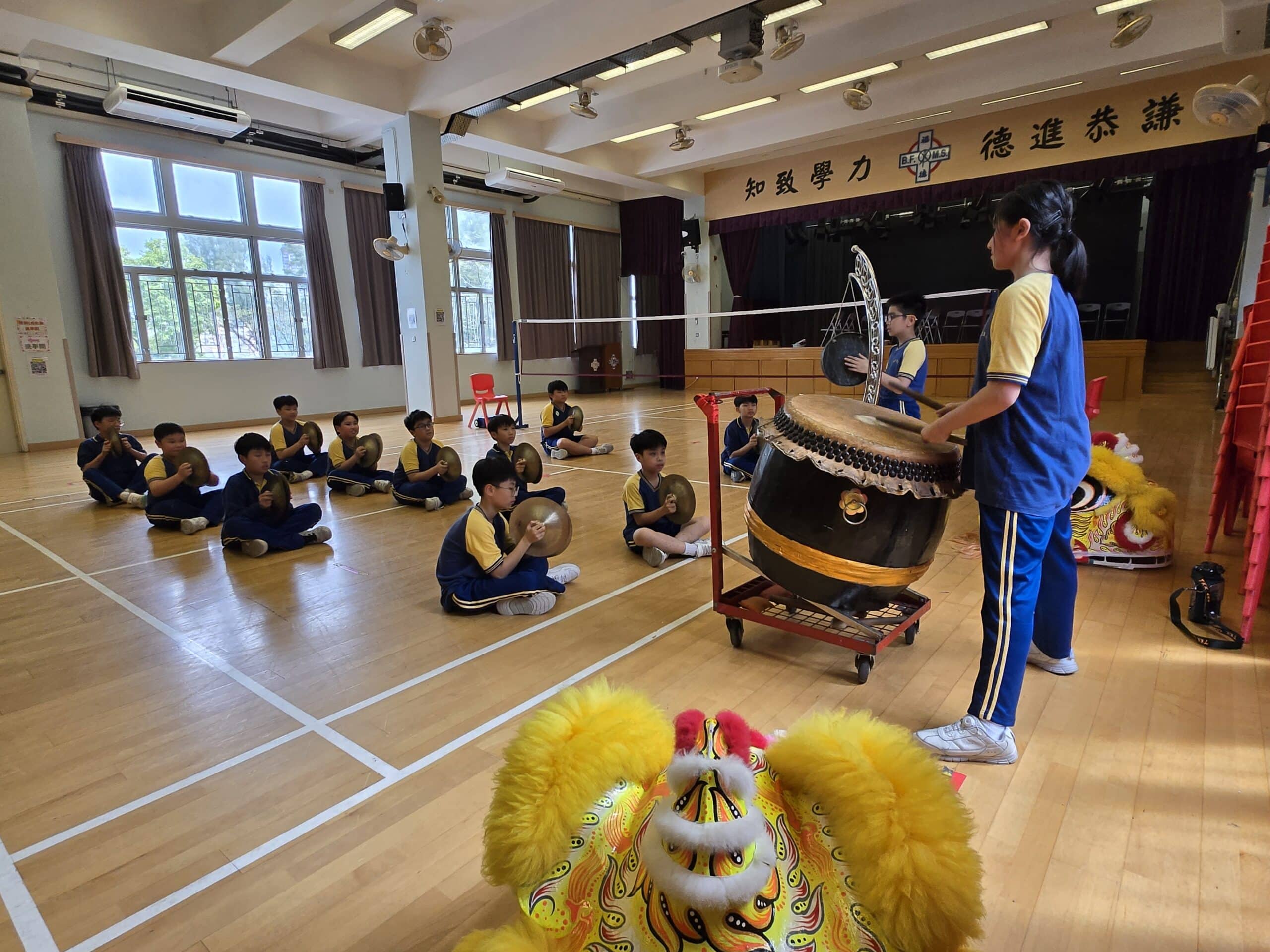
- Lion Arts & Dance Team
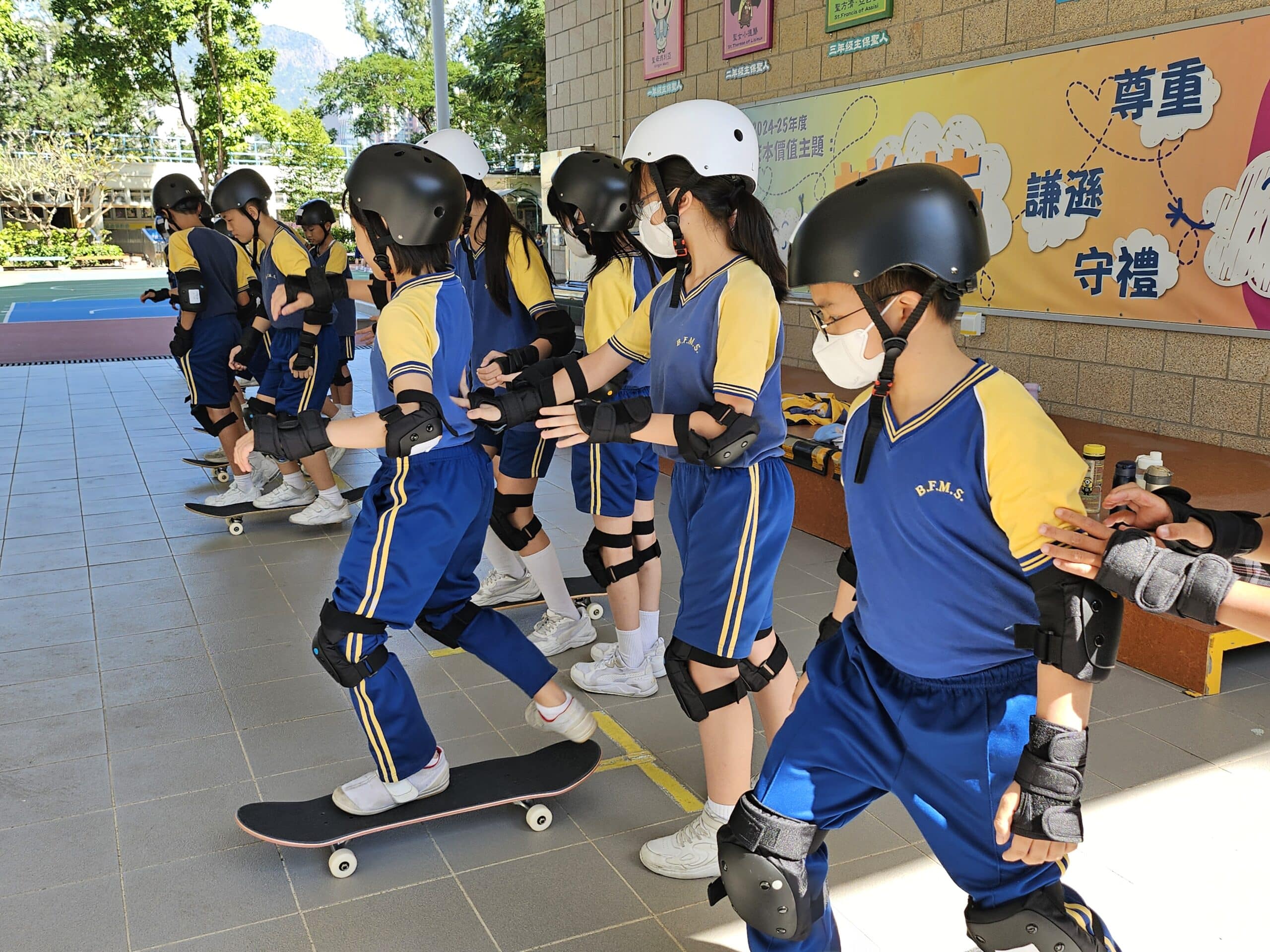
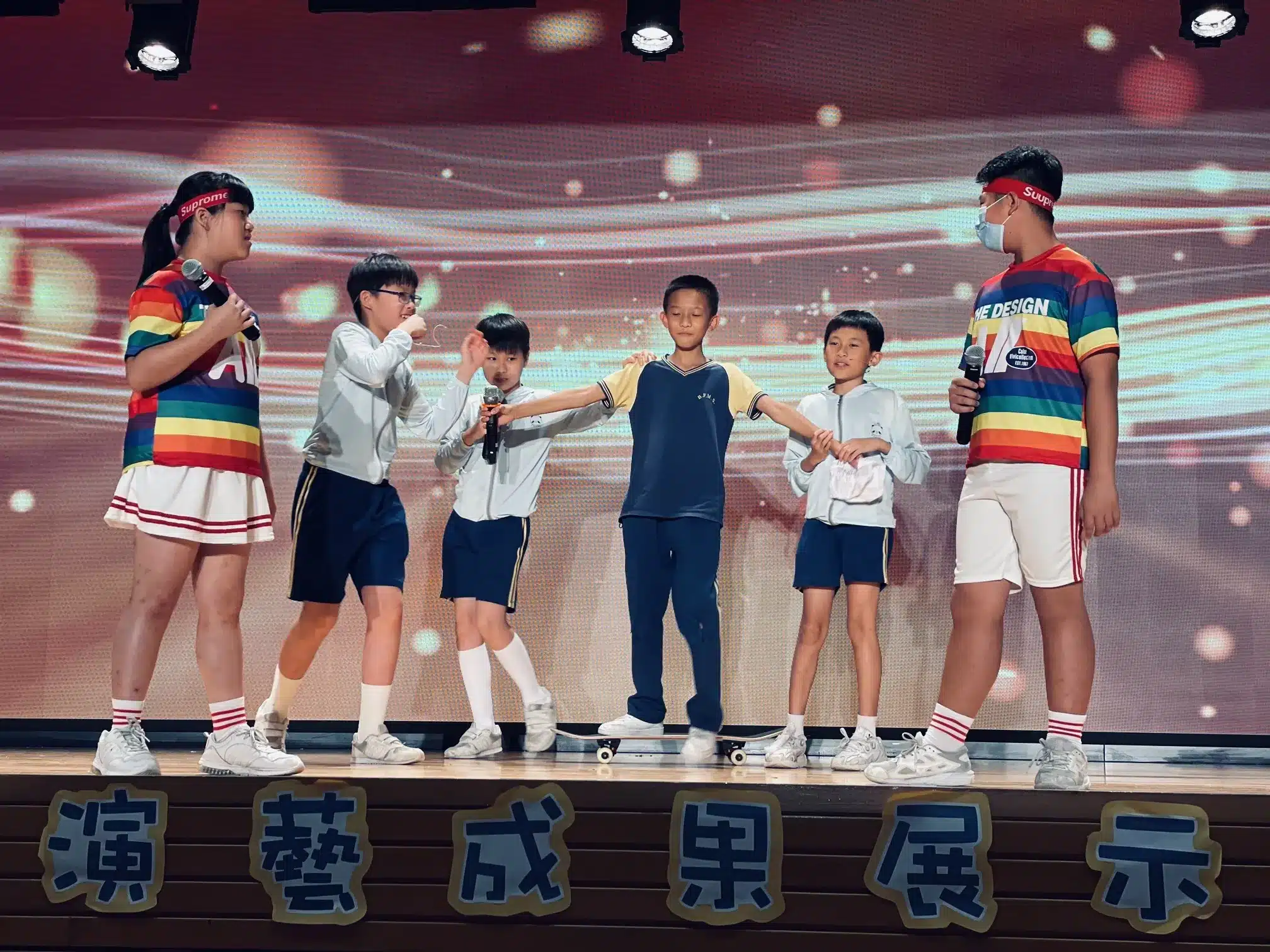
- Skateboarding
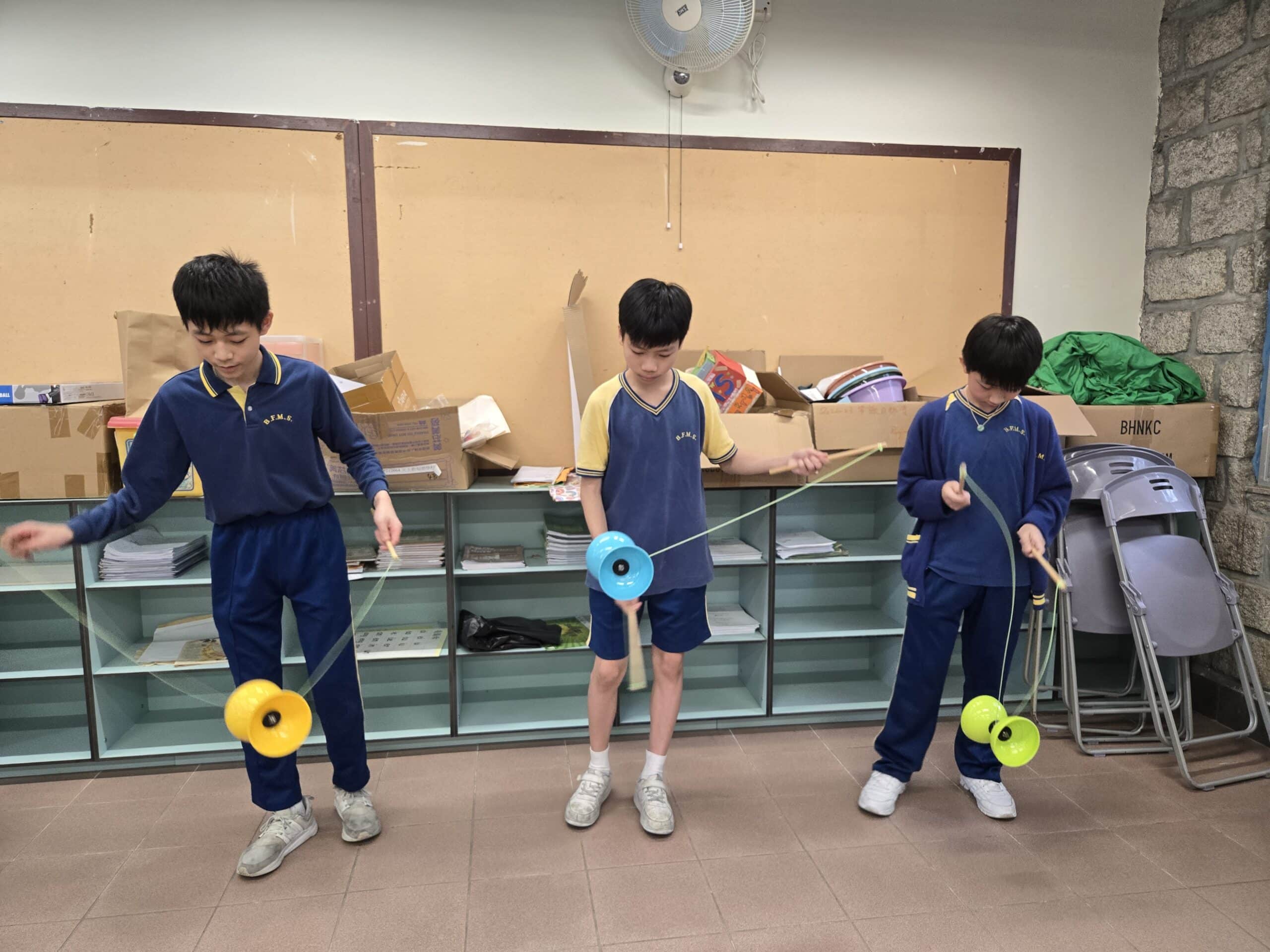
- Juggling / Devil Sticks
- Kung Fu Alliance (taught in Putonghua)